News
-
Most Cited JCPP Articles #38 of 60
Most cited JCPP papers #38 of 60: What do childhood anxiety disorders predict?
Read more -

Most Cited JCPP Articles #39 of 60
Most cited JCPP papers #39 of 60: Young adult follow‐up of hyperactive children: antisocial activities and drug use
Read more -

Most Cited JCPP Articles #40 of 60
Most cited JCPP papers #40 of 60: RECOGNITION OF FACES: AN APPROACH TO THE STUDY OF AUTISM
Read more -
Most Cited JCPP Articles #41 of 60
Most cited JCPP papers #41 of 60: Annotation: The role of prefrontal deficits, low autonomic arousal, and early health factors in the development of antisocial and aggressive behavior in children
Read more -
Most Cited JCPP Articles #42 of 60
Most cited JCPP papers #42 of 60: Sensory Experiences Questionnaire: discriminating sensory features in young children with autism, developmental delays, and typical development
Read more -
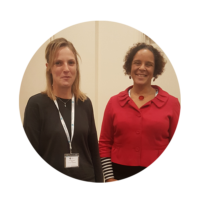
In Conversation… Professor Helen Minnis discusses attachment
Professor Minnis discusses her current innovative research with the BeST? Study, which aims to find out what is the best service for young abused and neglected pre-school children coming into foster care.
Read more -

In Conversation… Professor Tasmin Ford the importance of schools in a child’s mental health
Professor Tamsin Ford, Professor of Child and Adolescent Psychiatry, University of Exeter Medical School, talks about attachment and early intervention, and explains why schools are an important setting in relation to child mental health.
Read more -
Most Cited JCPP Articles #43 of 60
Most cited JCPP papers #43 of 60: Preventing conduct problems and improving school readiness: evaluation of the Incredible Years Teacher and Child Training Programs in high‐risk schools
Read more -

Most Cited JCPP Articles #44 of 60
Most cited JCPP papers #44 of 60: Children with Autism Show Local Precedence in a Divided Attention Task and Global Precedence in a Selective Attention Task
Read more -

Exciting opportunity to engage in pioneering anxiety/depression research
Depression and anxiety (including OCD and other related disorders) are common but complex disorders whose research needs very large sample sizes. The Genetic Links to Anxiety and Depression (GLAD) study launched September 2018 and aims to recruit >40,000 individuals.
Read more