News
-
Gut mycobiome dysbiosis and its impact on intestinal permeability in attention-deficit/hyperactivity disorder
Paper from the JCPP – ‘This study aimed to investigate the impact of fungal mycobiome dysbiosis and intestinal permeability on ADHD. The current study is the first to explore altered gut mycobiome dysbiosis using the NGS platform in ADHD.’ Liang-Jen Wang et al.
Read more -

‘Suicide and self-harm; The Research, The Evidence, The Interventions’ Emanuel Miller Memorial International Online Conference
Delegates Only. A critical topic that all those working in the field of child and adolescent mental health should know about. Learn about the latest research, the different types of interventions, and the evidence base that supports this.
Read more -

The acute effects of community violence on young children’s regulatory, behavioral, and developmental outcomes in a low-income urban sample in Brazil
Paper from the JCPP – ‘This study leverages natural variation in the timing and location of community homicides to estimate their acute effects on the regulatory, behavioral, and developmental outcomes of Brazilian 3-year-olds.’ Dana C. McCoy (pic) et al.
Read more -
Research Review: Current evidence for avoidant restrictive food intake disorder: Implications for clinical practice and future directions
Open Access paper from JCPP Advances – ARFID (avoidant restrictive food intake disorder) is a relatively new diagnostic term covering a number of well-recognised, clinically significant disturbances in eating behaviour unrelated to body weight/shape concerns. Its phenotypic heterogeneity combined with much about the condition remaining unknown, can contribute to uncertainties about best practice. While other reviews of the evidence base for ARFID exist, few specifically target health care professionals and implications for clinical practice. Tanith Archibald and Rachel Bryant-Waugh.
Read more -

Recommendations for male-friendly counselling with adolescent males
In this Papers Podcast, Micah Boerma discusses his CAMH paper ‘Review: Recommendations for male-friendly counselling with adolescent males: A qualitative systematic literature review’. Micah is the first author of the review.
Read more -

Changes in UK parental mental health symptoms over 10 months of the COVID-19 pandemic
Open Access paper from JCPP Advances – ‘The threats to health, associated restrictions and economic consequences of the COVID-19 pandemic have been linked to increases in mental health difficulties for many. Parents, in particular, have experienced many challenges such as having to combine work with home-schooling their children and other caring responsibilities’. Simona Skripkauskaite (pic) et al.
Read more -
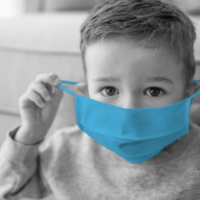
Stress, adversity, COVID; caring for children with an intellectual disability (recording)
This free webinar was organised by ACAMH’s Adverse Childhood Experiences (ACEs) Special Interest Group Monthly seminars. In this session we welcomed Dr. Jeanne Wolstencroft, Research Fellow at the Great Ormond Street UCL Population, Policy and Practice Dept., presenting findings from The IMAGINE—ID consortium.
Read more -

Championing research about, by and for neurodivergent people
How neurodiversity-inspired thinking is casting a new light on brain development research, with neurodivergent young people at its core.
Read more -
Validation of the Parental Understanding and Misperceptions about BAby’s Sleep Questionnaire using auto-videosomnography
Paper from the JCPP – ‘The current study aimed to (a) develop an assessment tool measuring parental understanding and misperceptions about baby’s sleep (PUMBA-Q); (b) validate the questionnaire using self-report and objective sleep measures.’ Eunyeong Jang et al.
Read more -

The effects of COVID-19 on child mental health: Biannual assessments up to April 2022 in a clinical and two general population samples
Open Access paper from JCPP Advances – ‘We examined how child mental health has developed since the start of the COVID-19 pandemic up to 2 years into the pandemic (April 2022). We included children (age 8–18) from two general population samples and one clinical sample receiving psychiatric care.’ Josjan Zijlmans (pic) et al.
Read more