Adverse Childhood Experiences (ACEs) are defined as situations that lead to an elevated risk of children and young people experiencing damaging impacts on their health and other social outcomes across the life course.
ACEs – Adverse Childhood Experiences
-

Maltreatment, Trauma-Related Disorders, and Their Interplay with Neurodivergence
Prof Helen Minnis leads a session about the trauma and stressor related disorders of childhood, known as Reactive Attachment Disorder (RAD) and Disinhibited Social Engagement Disorder (DSED). These are disorders thought to be ‘caused’ by maltreatment (abuse and neglect). We aim to raise your awareness about RAD & DSED and to enable you with the skills to recognise associated behaviours in children and young people who you work.
- Event type
- Advanced session
-

Recovery and Justice following Child Sexual Abuse
Laura Smith, Clinical Lead for ‘The Lighthouse’ the first Barnahus service in England, delivers a talk and Q&A on ‘Recovery and Justice following Child Sexual Abuse: Lessons from the Lighthouse’
- Event type
- ACEs SIG Monthly seminars
- Location
- Online
-

Adversity, Protection, and Prevention: Rethinking Childhood Experiences Through New Evidence
ACAMH’s second annual ACE’s SIG online conference. Don’t miss the early bird!
- Event type
- Day Conference
- Location
- LIVE STREAM
-

Mentalising with complex clinical presentations in children and families: a systemic and trauma-informed approach
Dr. Emma Morris leads webinar workshop helping clinicians use a mentalizing and systemic approach to assess, formulate, and treat complex trauma in children, young people, and families.
- Event type
- Expert knowledge session
- Location
- LIVE STREAM
-

Identifying Mental Health Difficulties in Children Living in Care: Is the Strengths and Difficulties Questionnaire enough?
This blog, by Dr. Eva Sprecher, shares new findings that suggest current UK practice may not be sufficient for identifying children in care struggling with their mental health – and we suggest what might help improve things.
Read more -

Intergenerational Consequences of Racism
Dr. Yasmin Ahmadzadeh leads a session to recognise how racism impacts families in the UK, understand how focus group discussions are used in research, and consider how public perspectives can help shape future research.
- Event type
- ACEs SIG Monthly seminars
- Location
- LIVE STREAM
-
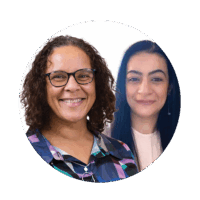
Beyond ACEs: When Trauma-Informed Care Misses Neurodivergent Children
Trauma-informed care often overlooks neurodivergence, leading to missed diagnoses and support, as in James’ story. Research shows trauma, neurodevelopmental conditions and adversity frequently co-occur, with “double jeopardy” when both are present. Services must move beyond silos to holistic, person-centred assessment that recognises each child’s unique “make and model.”. Blog by Professor Helen Minnis (pic) and Dr. Ruchika Gajwani.
Read more -

Supporting Children and Young People with Complex Trauma Histories: Rethinking Readiness for Treatment
Children and young people who have experienced trauma often present with a range of emotional, behavioural, and relational difficulties. There is robust evidence that trauma-focused psychological therapies are effective for PTSD in children and adolescents. Nonetheless, clinicians sometimes hesitate to offer these approaches to young people whose circumstances are complicated—for example, those with ongoing instability, high levels of distress, suicide risk, or multiple comorbidities. Some are told they are ‘not ready’, or that therapy should wait until other difficulties are managed. However, current evidence suggests that complexities are not, in themselves, a reason to delay treatment.
Read more -

Special Educational Needs and Young People Involved in Violence
Children and young people with special educational needs (SENs) are more likely to commit violent offences compared to those without SENs. Our research team used existing data from school and police records from over 1.5 million children and young people to unpack this relationship. The aim of our project was to identify what works to reduce violent offending and re-offending in children and young people with SENs.
Read more -
 09
09
The role of socio-contextual factors in child and adolescent PTSD
‘The role of socio-contextual factors in child and adolescent PTSD’ is a webinar is organised by ACAMH’s Adverse Childhood Experiences (ACEs) Special Interest Group. It is led by Professor Sarah Halligan is Professor of Child and Family Mental Health at the University of Bath.