Autism spectrum disorder (ASD)
-

Autism Resources Update
This World Autism Acceptance Week (27 March to 2 April 2023), we have collated a number of FREE learning resources from leading academics, clinicians, and researchers to build upon our previous catalogue of resources for World Autism Acceptance Week 2022.
We encourage you to explore the learning opportunities available on our website, sign up for our fantastic upcoming events below, and do share with your networks.
Read more -

World Autism Acceptance Week 2022
This World Autism Acceptance Week (28 March – 3 April), we encourage you to explore the learning opportunities available on our website, and to share with your networks. Together we can help change attitudes and work towards creating a society that works for autistic children and young people.
Read more -
JCPP Special Issue: Genetics & Genomics of Autism Spectrum Disorders
ACAMH proudly to presents the JCPP November 2021 Special Issue on ‘Genetics and Genomics of Autism Spectrum Disorders’ edited by Professor Barbara Franke, Dr. Eric Fombonne, and Professor Angelica Ronald.
Read more -
Do autistic girls talk differently about social groups?
New data, published in the Journal of Child Psychology and Psychiatry, suggest that pronoun use during natural conversation might inform us about clinically meaningful social function.
Read more -
Do autistic girls have better communication and interaction skills than autistic boys?
There is ongoing debate as to whether autism spectrum disorder (ASD) differentially affects males and females. Several meta-analyses have found little difference between males and females with ASD in terms of social communication and interaction skills. However, such analyses have often relied on diagnostic instruments such as the Autism Diagnostic Observation Schedule, Second Edition 2 that may not be sensitive to how autism presents in females. What’s more, many have been based on global scores, that reflect overall social communication and interaction skills, which could miss subtler differences in specific domains.
Read more -

Dr. Marinos Kyriakopoulos
Dr. Marinos Kyriakopoulos is a Consultant Child and Adolescent Psychiatrist at South London and Maudsley NHS Foundation Trust, Visiting Senior Lecturer in Child and Adolescent Psychiatry at the Institute of Psychiatry, Psychology and Neuroscience, KCL, and Honorary Consultant Child and Adolescent Psychiatrist at Great Ormond Street Hospital. He is Joint Training Programme Director for Child and Adolescent Psychiatry at the Maudsley Scheme. Dr. Kyriakopoulos is an Associate Editor of CAMH, focusing on Clinical Research Updates.
Read more -
Cognitive inflexibility contributes to both externalising and internalising difficulties in ASD
Children with autism spectrum disorder (ASD) commonly experience internalising and externalising symptoms, but the underlying cognitive mechanisms are unclear. In their latest study published in the Journal of Child Psychology and Psychiatry, Ann Ozsivadjian and colleagues examined the role of three cognitive factors that might contribute to these difficulties. Specifically, they hypothesized that intolerance of […]
Read more -

The Centre for Attention Learning and Memory (CALM) Approach to Neurodevelopmental Research – MRC Cognition and Brain Sciences Unit University Of Cambridge
Our thinking around neurodevelopmental disorders is undergoing a period of rapid change. The traditional approach, endorsed by classification systems such as the Diagnostic Statistical Manual, defines neurodevelopmental disorders such as autism and attention-deficit hyperactivity disorder (ADHD) as distinct categories.
Read more -
March 2021 – The Bridge
This issue includes an excellent article on mood disorders in autistic young people, written by experts Dr Emily Jackson, Dr Eleanor Smith, and Dr Aditya Sharma. The authors thoughtfully discuss the overlap between these conditions, challenges in identifying their co-occurrence, and adaptations needed for interventions.
Read more -
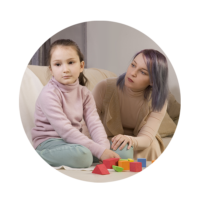
Mood Disorders and ASD: What not to miss
The autism community identified mental health as their top research priority in 2016.¹ Autistic children and adolescents are more likely than their general population counterparts to have psychiatric disorders.² For bipolar disorder, rates of 7% are seen in autistic children and adolescents versus 1% in their general population peers.
Read more