Sociocultural issues
-
The moral environment we create
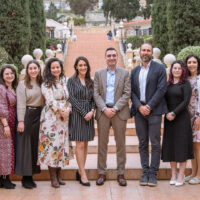
Blog by ACAMH Malta. The moral health of our society matters to the mental health of our children. A society rooted in integrity, respect and accountability gives young people something invaluable: The confidence that the world around them can be trusted. A healthier society today helps lay the foundations for a healthier generation tomorrow.
Read more -

Cultural Formulation: When Does It Become Stereotyping?
Cultural formulation can help clinicians understand how culture shapes distress, help-seeking and experiences of illness. However, when cultural knowledge replaces curiosity about the individual, it can become the very stereotyping it is intended to prevent.
Read more -

Meet the expert: Intergenerational consequences of racism, with Dr. Yasmin Ahmadzadeh
On 9 June 2026, ACAMH’s Adverse Childhood Experiences (ACEs) Special Interest Group will hold its next meeting, Intergenerational Consequences of Racism. We caught up with the presenter – Dr. Yasmin Ahmadzadeh, a Research Fellow at King’s College London whose work focuses on how mental health runs in families – about her research, and her hopes for the event.
Read more -
 09
09
Intergenerational Consequences of Racism
Explore intergenerational consequences of racism and its impact on family mental health in this ACAMH expert webinar. Learn how structural racism cascades through generations and how practitioners can respond with trauma‑informed, anti‑racist approaches. Dr. Yasmin Ahmadzadeh leads this session.
- Event type
- ACEs SIG Monthly seminars
- Location
- LIVE STREAM
-
09
The role of socio-contextual factors in child and adolescent PTSD
‘The role of socio-contextual factors in child and adolescent PTSD’ is a webinar is organised by ACAMH’s Adverse Childhood Experiences (ACEs) Special Interest Group. It is led by Professor Sarah Halligan is Professor of Child and Family Mental Health at the University of Bath.
-

Adolescence at Risk: Online Misogyny, Mental Health, and the Urgent Need for Action
What is online misogyny? How do adolescent boys engage with the Manosphere? What are the implications for policy and practice? Dr. Arianda Albajara Saenz explores it’s impact on youth mental health.
Read more -

Why do some children from low-income families manage to thrive cognitively?
Why do some children from low-income families manage to thrive cognitively? Our study sheds light on this question by identifying key factors that promote cognitive resilience. Blog by Dr. Divyangana Rakesh.
Read more -

International Women’s Day #AccelerateAction: Accelerating gender equality in psychological research and psychiatry
On March 8th, 2025, the world is celebrating the 104th International Women’s Day, a tradition that began in 1911. This year’s International Women’s Day focuses on the theme of “Accelerate Action”, which highlights the urgency for dismantling systematic barriers that hinder women’s full participation in various research fields – including psychology and psychiatry.
Read more -
CAMH Journal 2024 Special Issue – ‘Equity, Diversity, and Inclusion in Child and Adolescent Mental Health’
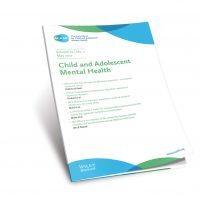
The Child and Adolescent Mental Health (CAMH) Journal are delighted to announce the CAMH 2024 Special Issue on ‘Equity, Diversity, and Inclusion in Child and Adolescent Mental Health’, edited by Cornelius Ani, Bolanle Ola, Matthew Hodes, and Valsamma Eapen.
Read more -
Dr. Gordon Bates
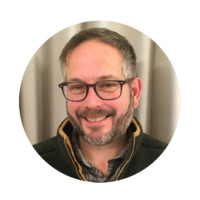
Dr. Gordon Bates is a consultant child psychiatrist interested in the interaction between culture, young people and mental illness. He works for the NHS in the West Midlands and has recently completed his PhD in medical humanities. He is an Associate Editor of CAMH, responsible for the Narrative Matters section.
Read more