Intervention
-
 30
30
Early Intervention in Mental Health and Intellectual Disabilities – This is how we do it in Dorset
The theme of this event is service innovation and delivery. We will showcase two excellent initiatives/areas of good practice within Dorset Healthcare involving our trailblazers Mental Health Support Team (MHST) and specialist Pan Dorset Intellectual Disability CAMHS.
-
12
Child and Adolescent Intellectual Disability Psychiatry Network; Annual Meeting
Child and Adolescent Intellectual Disability Psychiatry Network; Annual Meeting
-
08
Fostering Resilience in Challenging Times: Practical Guidelines for Pediatric Mental Health Professionals
In today’s complex youth mental health landscape, professionals play a key role in equipping young people with the skills to navigate adversity. This two-part masterclass, led by world-renowned pediatric neuropsychologist Dr. Sam Goldstein bridges cutting-edge research with practical applications.
-
22
Prevention and treatment of depression in children and adolescents
Emeritus Professor Pim Cuijpers – I will give an overview of the research on preventing the onset of major depression in youth and will show that prevention is indeed possible but also faces important challenges in terms of effectiveness and implementation.
-

Creating Positive Change through Self-Awareness and Expression
Children’s Mental Health Week (3 – 9 February 2025) serves as a fantastic opportunity to look further at how we can empower, equip, and give a voice to children and young people, as well as encourage positive change with regards to their mental health and well-being.
By focusing on ‘Know Yourself, Grow Yourself’, alongside our vision of ‘Sharing best evidence, improving practice’, and our mission to ‘Improve the mental health and wellbeing of young people aged 0-25’, we encourage you to focus on how we, as a society, can help encourage children and young people to feel empowered in sharing their experiences in order to improve children’s and young people’s mental health and wellbeing.
Read more -
02
Advancing the Understanding and Treatment of Anxiety Disorders in Young People – Emanuel Miller International Conference 2025
Anxiety disorders remain among the most common mental health challenges faced by children and adolescents, demanding ongoing innovation in both research and practice. Despite widespread recognition, critical gaps persist in understanding, diagnosing, and treating these conditions.
- Event type
- Emanuel Miller
-
06
Words Matter: Understanding, Impact, and Prevention of Childhood Verbal Abuse
Set of three webinars on Childhood Verbal Abuse (CVA). This is characterised by adults shouting, yelling, denigrating, and verbally threatening the child. These types of adult actions can be as damaging to a child’s development as other currently recognized and forensically established subtypes of maltreatment such as childhood physical and sexual abuse.
-

From COP29 to Net Zero Mental Health Care: What does it mean for Child and Adolescent Mental Health professionals?
Climate change and biodiversity loss are affecting the mental health of children and young people worldwide. Although many of us care deeply about ecological issues, they can seem less relevant to clinical practice and research. In this blog, Dr Shuo Zhang and Shailpriya Nand briefly summarise the literature on climate change and youth mental health before considering how Child and Adolescent Mental Health professionals can play a vital role in both reducing the carbon costs of healthcare and strengthening population mental health.
Read more -
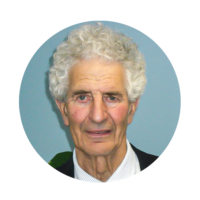
Sixty-Five Years Working With Children
Emeritus Professor Philip Graham delivered this Keynote lecture ‘Sixty-Five Years Working With Children’, on Thursday 7 November at the 2024 ACAMH Awards. Professor Graham was the recipient of ACAMH’s Michael Rutter Medal for Lifetime Contribution to Child and Adolescent Mental Health.
Read more -
06
Assessing and understanding trauma: bridging the gap between research and practice
The session will provide a bridge between research and clinical contexts of measuring trauma and adverse life experiences in looked-after children populations. Dr Saul Hillman, Richard Cross, and Katharine Anderson present