Blog
-
A postcard from Malta
“It’s all to do with education and standards, and trying to bridge that gap”
Read more -
The hardest thing to do is say goodbye
“It was an accident,” says Dr Mark Lovell. But what is he referring to?
Read more -
Concerned over Green Paper leaks
Dr Duncan Law on why he’s left so concerned by the recent leaks from the Children and Young People’s Mental Health (CYPMH) green paper.
Read more -
Joining up services, is the way forward
Being a paediatrician is an absolute privilege and a core part of my identity.
Read more
Disclaimer: This is an independent blog and ACAMH may not necessarily hold the same views. -

Welsh branch puts on dyslexia day with academic heavyweights
Conference review Dyslexia: From assessment to intervention This September saw ACAMH’s Wales branch host a one day conference on dyslexia in Cardiff. Over sixty delegates made the trip to the city’s All Nations’ Centre to listen to talks from leading researchers and practitioners. The day was opened with a warm welcome from Dr Owen Barry, […]
Read more -
Mental health in schools
“Sometimes you feel like a volcano erupting,” one eight-year-old boy told us, “but if you come to Place2Be, you can cool down.”
Read more -
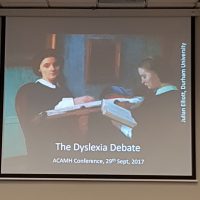
The pariah of dyslexia
Sometimes, academia calls for a thick skin, particularly if you’re notorious for denouncing an entire area of research.
Read more -
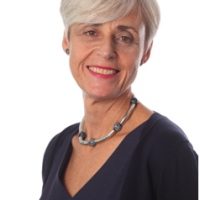
Dyslexia and developmental language disorder: same or different?
Maggie Snowling looks at how we understand the definition, development and relationship between dyslexia and developmental language disorder (DLD).
Read more -
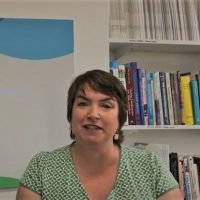
The Parent Blame Game
Seventy years ago Leo Kanner published his seminal paper describing autism. In that paper he also coined the term “refrigerator mother” apportioning some of the cause for the distinctive profile of autistic behaviour to cold, harsh parenting practices.
Read more -
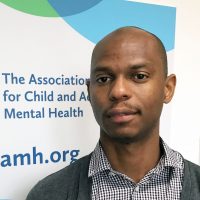
How ACAMH Membership has helped me
Shaun Liverpool talks about how ACAMH membership gives him access to high-impact publications and world-class research.
Read more