self-harm
-
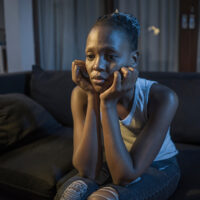
Self-harm and Suicide Risk in Young People: A Call for Personalised Assessment
Self-harm affects roughly one in six adolescents and is a potent predictor of suicide. Yet the best-known risk-prediction tools correctly identify only a small minority of future suicides. Instead of relying on scores, clinicians should carry out compassionate, personalised assessments, followed by rapid follow-up and collaborative safety plans.
Read more -

Common Elements in Interventions for Youth Suicide and Self-Harm: Findings from a Practitioner Review
A practitioner review of 18 randomised controlled trials identifies the therapeutic elements most commonly found in interventions that reduce suicide attempts and self-harm among adolescents. The findings highlight key strategies that can inform and guide clinical practice.
Read more -

Self-harm E-learning for School Staff: Co-production of the SORTS Toolkit
Self-harm among adolescents is increasing in prevalence and there is a lack of evidence-based, whole-school approaches to support students and staff with their response to self-harm. This blog discusses the need for a whole-school approach to self-harm training in schools alongside the SORTS study, which used co-production methods to develop the Supportive Response to Self-Harm in Schools (SORTS) toolkit.
Read more -

An Increasing Concern: Improving Self-Harm and Self-Injury Awareness
If you or a person you know is struggling with their mental health, please seek support by accessing the helplines and resources provided by the NHS website. For those outside the UK please use an internet search to find an organisation that can offer direct support.
1 March is globally recognised as Self-Harm and Self-Injury Awareness Day and serves as an opportunity to raise awareness, encourage an understanding, and promote more conversations around the topic of self-harm and self-injury. We encourage you to explore the learning opportunities available on our website and do please share with your networks and colleagues.
Read more -
JCPP Advances 2023 Special Issue – ‘Evidence-based Synthesis Studies for Child and Adolescent Mental Health Conditions’
September sees the release of the JCPP Advances 2023 Special Issue on ‘Evidence-based Synthesis Studies for Child and Adolescent Mental Health Conditions’, edited by Professor Henrik Larsson, Dr. Marco Solmi, Professor Guilherme Polanczyk, Professor Seena Fazel, Dr. Cinzia Del Giovane and Dr. Ioana Cristea.
Read more -

Professor Michael Kaess
Michael Kaess is Professor of Child and Adolescent Psychiatry and Psychotherapy at the University of Bern as well as the Director of the University Hospital of Child and Adolescent Psychiatry and Psychotherapy Bern in Switzerland. Professor Kaess is a Joint Editor of CAMH.
Read more -

Professor Kapil Sayal
Kapil Sayal is Professor of Child and Adolescent Psychiatry and Honorary Consultant Child and Adolescent Psychiatrist at the University of Nottingham. He is an Associate Editor of CAMH, responsible for the Technology Matters section.
Read more -
How isolation and secrecy fuel the self-harm flames
During Mental Health Awareness month in May 2022 – focused on the role of loneliness – Nip in the Bud listened to experts and those who have been through it to understand the vicious cycle of trying to cope alone. (TRIGGER WARNING: Please be aware that this blog discusses self-harm, including personal experiences of self-harm.) This blog was published by Nip in the Bud on 27 May 2022.
Read more -

NICE guidelines for self-harm: a new school of thought
New NICE guidelines for the management of self-harm in the UK emphasise the important role of non-specialists. In this article, Holly Crudgington and Dennis Ougrin discuss this guidance, focusing on the new advice for schools and its implications.
Read more -
How effective are tools to help school staff better respond to young people who self-harm?
Aureliane Pierret and colleagues at the University of Cambridge carried out a systematic review into the effectiveness, feasibility and acceptability of interventions and tools to support school staff to better respond to young people who disclose self-harm.
Read more