Obsessive Compulsive Disorder (OCD) is a common condition, characterised by obsessions and/or compulsions. Obsessions are intrusive thoughts, pictures, doubts or urges experienced as repetitive and distressing. Some common obsessions include fear about dirt or contamination, religious obsessions, unwanted aggressive or sexual thoughts and discomfort if things are not symmetrical or even (Mataix-Cols et al., 2008).
Obsessive Compulsive Disorder (OCD)
-

OCD and BDD in young people: rethinking causes and access
Rethinking childhood OCD causes (genetics over infections), BDD self-harm risks in teens, and internet CBT access solutions for clinicians and families. ‘Reflections from the room’ from our webinar ‘OCD; An update on OCD and related disorders in children and young people’, led by Professor David Mataix-Cols
Read more -

Obsessive-Compulsive and Related Disorders in Children and Young People: Current Evidence and Clinical Approaches
Obsessive-Compulsive and Related Disorders in Children and Young People: Current Evidence and Clinical Approaches Short summary Obsessive-Compulsive Disorder (OCD) and related disorders, including Body Dysmorphic Disorder (BDD), often begin in childhood or adolescence and can be associated with marked distress, impaired school functioning, family disruption, and increased risk of comorbidity and co-occurring symptoms.
Read more -
 22
22
OCD; An update on OCD and related disorders in children and young people
Led by Professor David Mataix-Cols ; “In this session, I will provide an up-to-date overview of the latest research on OCD and related disorders, with a focus on risk factors, consequences, and evolving clinical approaches in the assessment and treatment of these disorders.”
- Event type
- Introductory and Update Session
-
Dr. Michael Bloch
Michael H. Bloch, M.D., M.S. graduated from Yale School of Medicine and completed his child and adult psychiatry training at Yale. He is currently an Associate Professor at the Yale Child Study Center. His research focuses on evidence-based medicine and developing improved treatments for individuals with mental illness across the lifespan using clinical trials and meta-analysis
Read more -
A thinner cortex predicts a better response to CBT
Research on magnetic resonance imaging (MRI) to identify neural markers that might predict a child’s response to treatment for obsessive-compulsive disorder (OCD).
Read more -
Obsessive compulsive disorder symptoms predict anxiety, and vice versa
Researchers in London have studied the relationship between anxiety sensitivity (the tendency to fear anxiety symptoms) and obsessive–compulsive disorder (OCD) symptoms.
Read more -
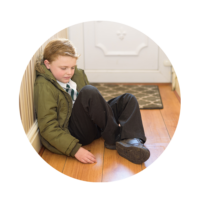
Obsessive Compulsive Disorder (OCD) in Children and Young People
OCD usually starts in early adolescence but is often not diagnosed until adulthood. We don’t know what causes OCD, but several factors are thought to play a part, such as biological, psychological, and environmental factors. We do know that OCD is a very treatable condition.
Read more -
16
ADHD in 2019: Learning’s from Ireland’s Specialist ADHD service in CAMHS
It is very common for ADHD in children to present together with other developmental and/or mental health problems, such as oppositional and attachment disorders, Tourette’s syndrome, autism spectrum disorders and anxiety disorders. No single risk factor explains ADHD, but a mix of genetic and environmental factors working together that looks likely to be the cause.
-
11
Parental Mental Illness – Supporting children and young people who live with a parent with a mental illness
ACE research identifies Parental Mental Illness as one of the 10 most significant adversities and risk factors for children and young people’s mental wellbeing. This day will ‘Challenge the Silence’ that children and young people face with a parent with mental illness.
-

Leading lights celebrated in the ACAMH Awards
We are delighted to announce the inaugural winners of the ACAMH Awards, recognising the work of individuals whose work advances our understanding of mental health in children and young people.
Read more