What a fantastic evening! Last night, we came together to celebrate the outstanding achievements, dedication and innovation of individuals and teams making a real difference in the field of child and adolescent mental health.
The ACAMH Awards 2026 recognised exceptional contributions to evidence-based science, both in research and practice, shining a spotlight on the people, projects and organisations helping to advance our understanding of child and adolescent mental health and improve outcomes for children, young people and their families.
Being nominated for an ACAMH Award is a prestigious achievement in itself. Each nomination represents high-quality work, commitment and a passion for making a meaningful difference in the field. This year’s awards showcased the breadth of talent, expertise and pioneering work taking place across the child and adolescent mental health community.
We were delighted to celebrate so many inspiring achievements and recognise those who are at the forefront of shaping the future of research, policy and practice.
Now, it’s time to shine a spotlight on this year’s winners!
Meet the ACAMH Awards 2026 Winners
Congratulations to all our winners and nominees. Each category highlighted the exceptional work happening across the sector, and we are proud to recognise the contributions of everyone involved.
2026 ACAMH’s President Medal for Lifetime Contribution to Child and Adolescent Mental Health

Winner: Professor Tamsin Ford
Tamsin Ford is recognised for her outstanding contribution to child and adolescent mental health research, practice and leadership. With more than 350 research publications, she has helped shape understanding of young people’s mental health, including the impact of the pandemic, ADHD prevalence and the relationship between mental health, school attendance and achievement. Alongside her influential academic career and senior leadership roles at the Universities of Exeter and Cambridge, she has made a significant contribution to ACAMH and Place2Be, championing evidence-based approaches that improve outcomes for children and young people.
Winner’s reaction: “I am so honoured to receive this award, and very, very conscious of the fact that I have had a huge amount of support and luck. I stand on the shoulders of the people who trained me and those who work around me, and I am very grateful and overwhelmed. Thank you.“
Kathy Sylva ‘Rising Star’ Award 2026
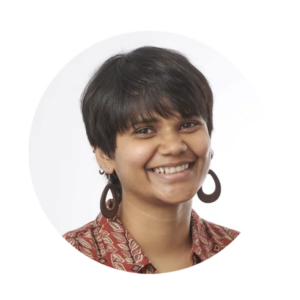
Winner: Dr. Divyangana Rakesh
Divyangana’s research explores how socioeconomic disadvantage and wider societal factors influence adolescent brain development and mental health. With an impressive body of highly cited work published in leading international journals, she is making a significant contribution to advancing understanding in this field. Beyond academia, she is committed to translating research into real-world impact through engagement with policymakers, communities, the media and young people.
Winner’s reaction: “I’m really honoured to be recognised in this way by ACAMH, an organisation that I respect so much. […] I’m really passionate about what I do and […] I want to also thank all of the people that have been involved, including my mentors, my postdoc, PhD students, and everyone else that has contributed. Thank you very much, I’m deeply honoured.“
Eric Taylor ‘Translational Research into Practice’ Award 2026
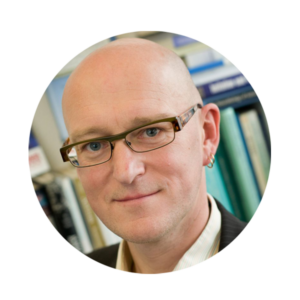
Winner: Professor Tony Charman
Professor Charman is recognised for more than two decades of influential research advancing understanding of autism and neurodevelopmental conditions. Through leading major research programmes exploring development, screening, diagnosis and interventions, he has helped bridge the gap between scientific discovery and clinical practice. His work has had a lasting impact on how autism and neurodiversity are understood and supported, shaping research and practice both nationally and internationally.
Winner’s reaction: “Thank you and thank you to the board for this. I’m very honoured […] as you all know, research is a team exercise so this is due to the work of my colleagues, all staff who work with me, and the young people and parents and carers that we’ve worked with […] so thank you very much, I am very honoured, and it’s a personal pleasure. Thank you.“
David Cottrell ‘Education of CAMH Professionals’ Award 2026
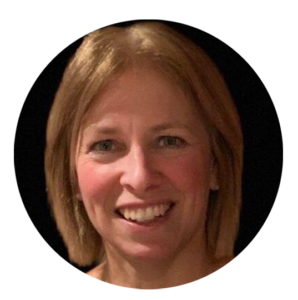
Winner: Dr. Karen Street
Karen Street has dedicated her career to medical education since qualifying in 1994. As Chair of the ALSG working group since 2024, she has led the development of CYPAPEX, an innovative multidisciplinary training programme equipping healthcare professionals with the skills and confidence to manage acute mental health and psychosocial emergencies in young people. Since its successful pilot in May 2025, the course has trained over 230 professionals across seven courses, making a significant contribution to improving the care of young people experiencing mental health crises.
Winner’s reaction: “Thank you so much, I feel completely shocked and honoured because I’m a paediatrician, not a psychiatrist or mental health professional, but I think that is what makes what we’ve done different is that we’ve joined together; we’ve joined together mental health, emergency medicine, and paediatrics and we’ve really worked together to really look at the coalface of children and young people presenting to acute settings. […] Thank you very much for the recognition, we’re delighted; and for us it is the interprofessional nature of what we’ve done that makes a huge difference to children and young people.“
Innovative Research, Training or Practice in Lower-Middle Income Countries Award 2026
Winner: Magic Bus India Foundation – Adolescent Programmes
Drawing on global evidence from WHO and UNICEF, Magic Bus India Foundation has developed an innovative, scalable model that places life skills at the heart of positive adolescent mental health. Through 11 core life skills and over 40 competencies, delivered through structured play, experiential learning and guided reflection, the programme equips young people with the resilience, self-confidence and social and emotional skills needed to navigate challenges and thrive.
Winner’s reaction, from Ms. Dhanashri Brahme on behalf of Magic Bus India Foundation: “This is a wonderful honour for an organisation that has been working at the grassroots for the last 27 years. […] This award, this honour, and all the work that has been reflected here on this forum simply inspires us even more to do better. I’d really like to really dedicate this award to all of the young people we work with, but also the more than 3,000 strong Magic Bus staff and team members whose untiring efforts make this work possible. […] this is only going to make us go forward with a lot more courage, a lot more strength, and a lot more resilience.“
Masters Student of the Year Award 2026
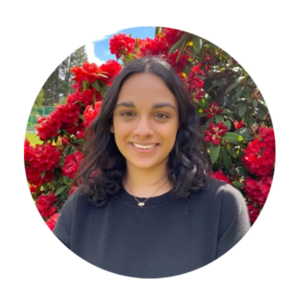
Winner: Ms. Sarah Daniels
Sarah has pioneered the development of Uncertainty Mindsets Training, an innovative digital psychological programme designed to help adolescents develop healthier responses to uncertainty and reduce their vulnerability to mental ill-health. Through her first experimental medicine study, she demonstrated meaningful reductions in intolerance of uncertainty, alongside improvements in anxiety and depressive symptoms among older adolescents. This outstanding example of translational science bridges cognitive and clinical research with practical innovation, offering significant potential to improve young people’s mental health in real-world settings.
Winner’s reaction: “I feel so incredibly honoured to have received this award, particularly from ACAMH, as their commitment to improving young people’s wellbeing is something that I feel so passionately about. […] I feel incredibly lucky to be part of a field with other people like the other nominees who are all working to make such a meaningful difference in the lives of young people and I am so excited about what is ahead.“
PhD Student of the Year Award 2026

Winner: Ms. Xinhe Zhang
Xinhe demonstrated exceptional initiative, technical ability and scientific maturity from the outset of her research career, independently learning R programming and undertaking a complex project within three months of joining the lab. Following this, she secured a highly competitive Horizon 2020-funded PhD studentship, focusing on developmental diversity and pathways within autism and their implications for mental health outcomes. Her most significant achievement to date has been leading research into developmental trajectories and genetic correlates associated with the timing of autism diagnosis, published in Nature as first author.
Winner’s reaction: “I am truly honoured and thank you to ACAMH for this award. I also want to congratulate my fellow finalists. I’m so glad to be part of the field with so many talented early career researchers […] I really hope to spend my career on autism and mental health research and one day help shed light on ways to improve the mental health of autistic people.“
Postgraduate Clinical Trainee of the Year Award 2026
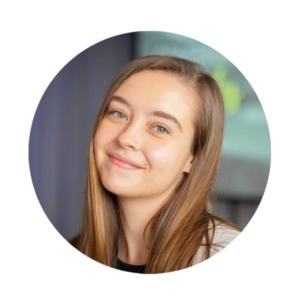
Winner: Dr. Clara Faria
Dr Faria has made an exceptional contribution to academic psychiatry, publishing three peer-reviewed papers during her first year of clinical training, including two first-author publications in leading child and adolescent psychiatry journals. Her research focuses on eating disorders, psychiatric epidemiology and the use of population-level data to improve prevention, assessment and care. Through peer review and her work supporting Beat’s National Prevalence Review of eating disorders, she is also contributing to the synthesis and dissemination of evidence to inform public understanding, service planning and advocacy.
Winner’s reaction: “Thank you so much, and huge thank you to my fellow nominees, Ben and Lottie. I’m very grateful to the NIHR for funding research time to develop my work on eating disorders and population health data, and especially to my supervisor, Professor Tamsin Ford, and the whole team for their continued support, inspiration and amazing research environment. All the work we do is a team effort, and I’m incredibly grateful.”
Postdoctoral Researcher of the Year Award 2026

Winner: Dr. Elaine Clarke
Dr Elaine Clarke’s research focuses on understanding autistic development from a lifespan perspective, examining how early characteristics, developmental opportunities and contextual factors shape adult outcomes for autistic people. Recognising the importance of childhood and adolescent support for later independence and quality of life, her work places particular emphasis on understanding the experiences and developmental pathways of autistic people with high support needs.
Winner’s reaction: “Well this is such a lovely surprise, thank you so much to ACAMH for this recognition and for your commitment as an organisation to supporting early career researchers who are really working at this intersection of developmental science and clinical practice.“
Digital Innovation Award 2026 for Digital Intervention

Winner: Professor Cathy Creswell
Professor Cathy Creswell, a HCPC registered clinical psychologist, has led the development, evaluation and delivery of Online Support and Intervention (OSI) for child anxiety. OSI is a digitally enabled, therapist-supported, parent-led CBT programme designed to improve access to evidence-based treatment for children with anxiety disorders, combining interactive online modules with brief remote therapist support. The approach enables families to access high-quality treatment from home while substantially reducing therapist time.
Winner’s reaction: “Thanks so much and a massive thanks to ACAMH for the award, and obviously everything you do at ACAMH. It is just so inspiring to be here and hear about all the fantastic work […] We’re really proud to have bridged the gap from co-design to real world evaluation to implementation of a digital tool that we now can have confidence can enable efficient, accessible delivery of an effective treatment, and that journey does involve a huge amount of people […] that has really enabled everything that we’ve done.“
Lionel Hersov Memorial Award 2026
Winner: AnDY Research Clinic
The AnDY (Anxiety and Depression in Young People) Research Clinics in Reading and Oxford bring together research, clinical care and service evaluation through an integrated NHS-academic partnership model. Originally developed at the University of Reading in 2016 and successfully implemented within Oxford Health NHS Foundation Trust in 2024, the model demonstrates how evidence-based, research-active services can be replicated across NHS organisations while maintaining excellent clinical outcomes. The clinics deliver psychological treatments developed and evaluated through an extensive programme of NIHR- and MRC-funded research.
Winner’s reaction, from Ray Percy on behalf of the AnDY Research Clinic: “Thank you so much to ACAMH for this wonderful honour. It really does mean a great deal to all of us in the Andy Research Clinics, both in Reading and in Oxford. […] . We’re proud to be alongside such inspiring teams. They’re all working hard to improve the lives of children and young people. Most importantly, of course, I’d like to take this opportunity to thank all the children, young people and families who place their trust in us and generously choose to take part in our research, that their courage, openness, and willingness to share their experiences are what the progress that we’re making possible.”
Journal of Child Psychology and Psychiatry (JCPP) Best Paper Award 2026
Winner: (Original Article) The clinical and cost effectiveness of a STAndardised DIagnostic Assessment for children and adolescents with emotional difficulties: the STADIA multi-centre randomised controlled trial, (Vol. 66, Iss. 6), Kapil Sayal, Laura Wyatt, Christopher Partlett, Colleen Ewart, Anupam Bhardwaj, Bernadka Dubicka, Tamsin Marshall, Julia Gledhill, Alexandra Lang, Kirsty Sprange, Louise Thomson, Sebastian Moody, Grace Holt, Helen Bould, Clare Upton, Matthew Keane, Edward Cox, Marilyn James, Alan Montgomery
This large-scale randomised controlled trial, conducted across eight NHS Trusts, investigated whether routine use of the DAWBA in CAMHS improves the identification and diagnosis of emotional disorders in children and young people. The study demonstrated that, compared with services as usual, routine DAWBA use did not improve identification, referral acceptance rates, time to treatment or clinical outcomes. It highlights the importance of well-designed trials in informing and optimising clinical care, including when findings are null.
Winner’s reaction, from Bernadka Dubicka on behalf of the paper team: “The whole team are very excited to hear about this nomination and will be very excited to hear that the paper won the award. The study was a massive achievement, with more than 1,000 families recruited, including during COVID, and the results have been sobering, with a lot of lessons, really, for CAMHS. […] I hope that some of these findings will be considered and help to improve our services and outcomes for children and young people. So, congratulations again to Kapil for leading on this massive study.“
Child and Adolescent Mental Health (CAMH) Journal Best Paper Award 2026
Winner: (Review Article) Scoping review: potential harm from school-based group mental health interventions, (Vol. 30, Iss. 3), Carolina Guzman-Holst, Rowan Streckfuss Davis, Jack L. Andrews, Lucy Foulkes
This scoping review examines potential harms from school-based mental health interventions based on CBT and/or mindfulness. The authors found that a minority of interventions reported at least one negative outcome, often among specific subgroups of young people, suggesting individual differences in how young people experience and respond to these interventions. The findings highlight the importance of considering potential harms when delivering interventions and routinely measuring adverse outcomes in studies of psychological interventions.
Winner’s reaction, from Carolina Guzman-Holst on behalf of the paper team: “Thank you so much for this wonderful recognition. It is an honour to receive the best paper award and especially rewarding to see how much interest and impact this coping review has generated. This paper was a team effort and would not have been possible without Rowan Streckfuss Davis, Jack Andrews, and Lucy Foulkess. I’m incredibly grateful for their contributions and delighted to share this recognition with them.”
JCPP Advances Best Paper Award
Winner: (Original Article) Social anxiety symptoms and their relationship with suicidal ideation and depressive symptoms in adolescents: A prospective study, (Vol. 5, Iss. 1), Kenny Chiu, Argyris Stringaris, Eleanor Leigh
This study examines whether social anxiety symptoms in adolescence are associated with subsequent depression and suicidal ideation, drawing on longitudinal data from nearly 2,400 young people. The authors demonstrate that social anxiety symptoms predict both depressive symptoms and suicidal ideation two years later, with depressive symptoms playing an important mediating role. Using a prospective design and preregistered analyses, the study highlights the importance of recognising social anxiety early in young people.
Winner’s reaction, from Kenny Chiu on behalf of the paper team: “Thank you so much. I’m grateful to ACAMH for this recognition and to the editor’s nomination. Congratulations to all the other finalists as well. This work came from an untested clinical observation shared by my co-author, Dr. Eleanor Lee, and Professor Saringaris. It wouldn’t have happened without the support of the NSPN consortium, Professor Richard Meisenman, and my colleagues. This small-scale, unfunded project has led to many more doctoral students now supervised in East Anglia, carrying out their own reproducible research using existing UK datasets like MHCYP, all pre-registered. I’m particularly grateful to the editors and reviewers for providing a rigorous review process. I’m also very, very grateful to the young people who took part and made this research possible.”
Celebrating the People Behind the Progress
The ACAMH Awards are about more than recognising individual achievements. They celebrate the collective commitment of a community working to improve the lives of children and young people through research, evidence and practice.
To everyone who submitted a nomination, shortlisted, attended or contributed to this year’s awards: thank you for being part of such an important celebration.
And, of course, a huge congratulations once again to all our 2026 winners and nominees. Your work, dedication and achievements are helping to shape the future of child and adolescent mental health.
Here’s to another year of progress, collaboration and excellence!