Diagnosis
-

Multi-disciplinary teams are needed to sensitively diagnose autism in Deaf children
An ethnographic study of NHS professionals, who diagnose autism in Deaf children, finds that recognizing the intersections between mental health and Deaf culture is essential for healthcare professionals to make sensitive diagnoses.
Read more -
April 2020 – The Bridge
This edition of The Bridge focuses on CBT, includes ‘Can transdiagnostic CBT improve outcomes in children with ASD?’ and ‘Does online CBT work for treating adolescent anxiety?’
Read more -

Modern illness or a thing of the past? Surveillance study of childhood/adolescent Sydenham’s chorea in the UK and the Republic of Ireland
Sydenham’s chorea is a rare condition that can have a severe impact on children and families. Tamsin discusses her and her teams research so far, explaining why it is important for clinicians working in child mental health services to report any suspected cases.
Read more -
Age-related immaturity in the classroom can lead to ADHD misdiagnosis
Researchers from Australia, France, the USA and the UK have come together to compile a 2019 Annual Research Review for the Journal of Child Psychology and Psychiatry on the correlation between a late birth-date (relative to the school year) and risk of attention-deficit/hyperactivity disorder (ADHD).
Read more -
New developmentally appropriate diagnostic criteria need to be established to identify ADHD early in preschoolers
Attention-deficit/hyperactivity disorder (ADHD) typically emerges during preschool years and in a subset of children, can persist into adolescence. Early identification might help promote a favourable ADHD trajectory, but the current predictors of ADHD persistence are insufficient.
Read more -
Emotional impulsivity and deficient emotional self-regulation might be core symptoms of ADHD
A large proportion of children with attention-deficit/hyperactivity disorder (ADHD) exhibit notable emotion-related problems (or “emotional symptoms”). These emotional symptoms seem to associate with poor quality of life, impaired social adjustment and reduced marital status.
Read more -

The importance of identifying an Intellectual Disability/Learning Disability for the individual, parents/carers and from a service/policy perspective
The importance of identifying an Intellectual Disability/Learning Disability for the individual, parents/carers and from a service/policy perspective.
Read more -
Machine learning improves ADI-R efficiency
Early interventions in autism spectrum disorder (ASD) are essential to improve communication and behavioural skills in affected children. Now, researchers have used machine learning to derive new instrument algorithms that may help practitioners screen for autism more efficiently and effectively.
Read more -

Developmental Trauma: How useful is this framework?
Dr Catherine Frogley reflects on the use of the developmental trauma framework from her perspective as a Clinical Psychologist working in a Post-Adoption Support Service.
Read more -
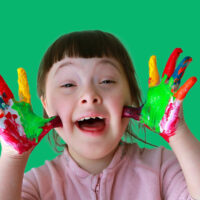
Intellectual Disabilities
Many terms have been used to describe an intellectual disability (ID) or medical conditions linked to an ID. Some terms that were originally designed to describe levels of intellectual disability or specific medical conditions, have unfortunately become part of common derogatory language used within society and so have become insults.
Read more