News
-
In Conversation… Tourettes Syndrome
In this podcast, Dr Seonaid Anderson and Helen Eadie, of Tourettes Action, define Tourettes Syndrome and expand on its impact.
Read more -

JCPP editorial team members amongst the ‘Most Influential Scientific Minds’ of the last ten years
Highlighting, once again, its scientific standing and the quality of its editorial decision making, a number of JCPP editors and editorial advisory board members have been included in the 2018 Clarivate highly cited researchers list announced recently.
Read more -

JCPP Editorial: Volume 59, Issue 12, December 2018
“Should child psychiatry be more like paediatric oncology?” by Argyris Stringaris & Kate Stringaris
Read more -

Professor Jeffrey Halperin & JCPP
Professor Jeffrey Halperin reflects on his time with the Journal of Child Psychology and Psychiatry and how it influenced his career.
Read more -

How well children read is largely down to their genes
Children who are avid readers are typically good readers, and children who seldom read a book voluntarily often have dyslexia. Is their reading ability the consequence of how much they practised?
Read more -

Sleep Edition
This edition of The Bridge concentrates on sleep, a poignant reminder that I am editing this on a 6am train to London having shortened my own sleep cycle and feeling rather sleep deprived on this dark winter morning.
Read more -

In Conversation… Intellectual Disabilities
Dr Mark Lovell, and Mary Busk, talk to journalist Jo Carlowe about Intellectual Disabilities from a professional and personal viewpoint.
Read more -

Professor Dr Albertine Oldehinkel
Professor Dr Albertine Oldehinkel talks to us about JCPP’s future.
Read more -
Protected: Anxiety Disorders Essentials Training
There is no excerpt because this is a protected post.
Read more -
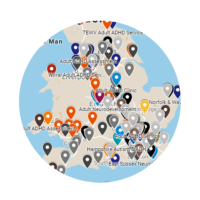
Online ADHD service map aims to stop young people slipping through net
Researchers at the University of Exeter have released a map put together from the results of a national survey. The new map aims to help identify existing services and gaps in provision for young adults with Attention Hyperactivity Deficit Disorder (ADHD).
Read more