CAMHS services
-

The ‘obesogenic’ environment of adolescent inpatient units: A call for action to support the promotion of better physical wellbeing
The term ‘obesogenic’ has been used to describe the unique set of circumstances people experience on mental health inpatient units which results in a propensity for weight gain. Find out about the implications and interventions.
Read more -

Power Up for Parents: A pilot study to enhance Shared Decision-Making in CAMH
Worldwide, up to 20% of children and young people (CYP) suffer from a disabling mental disorder (World Health Organization, 2000, 2003). Be part of a study to test a web application (called Power Up for Parents or PUfP) to support parents and promote their involvement in CAMH decisions.
Read more -

Dialectical behaviour therapy for adolescents: a comparison of 16-week and 24-week programmes delivered in a public community setting
Clinicians in CAMHS across Ireland have sought training in DBT-A to treat the increasing number of adolescents presenting to their services with self-harm and/or suicidal behaviour. With a growing national interest in DBT provision in community services, the National DBT Project Ireland was established in 2013 to coordinate training and implementation of DBT (in both adult and child/adolescent services) in the Irish public health service.
Read more -
Slides for Emanuel Miller 2019 ‘Attachment and Early Intervention’
To download, or view, each of the speaker slides for this event please click the link of the named speaker. 09:20 – Professor Marinus H. van IJzendoorn – The vicious cycle of early harsh and insensitive parenting: how much is inherited, how does it affect the brain, and how can we break it? 10:20 Emanuel Miller Memorial Lecture: Professor David Olds – Using […]
Read more -

What does a CAMHS MDT need to know about the genetics of psychiatric disorder?
Our knowledge of the genetics of psychiatric disorders has increased rapidly in recent years. Discover what has been learnt, focusing on some of the psychiatric disorders commonly seen in CAMHS, before going on to discuss how these findings may be relevant to clinical practice.
Read more -

The experiences of healthcare transitions between child and adult services for young people with attention deficit hyperactivity disorder: a review of evidence
Attention deficit hyperactivity disorder (ADHD) is characterised by hyperactivity, inattention and impulsivity. It affects around 5% of children, and can be a long term condition, with research showing that up to two thirds of young people with ADHD will continue to experience symptoms into adulthood. However, many young people with ongoing healthcare needs do not make the necessary transition from child to adult mental health services.
Read more -

Most adolescents with depression are significantly fatigued: What can we do about it?
“Fatigue” describes an extreme state of tiredness or exhaustion. When it is ongoing and not explained by exertion, it can become problematic.
Read more -

Latest evidence on mental health interventions and service response to refugee children
The latest figures indicate that in 2016 65.5 million people had to leave their homes due to war and armed conflicts, of which around one-third of are refugees who fled other countries to seek asylum.
Read more -

Barriers to improving access to therapy treatment for tics in the UK
The European clinical guidelines for Tourette Syndrome suggest that behavioural therapies (BT) are ‘first line treatments for tics for both children and adults’. However, according to Dr Tara Murphy and Dr Seonaid Anderson and colleagues, a barrier to delivering this in the UK is a lack of access to specialised psychologists and therapists.
Read more -
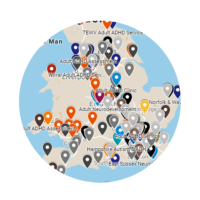
Online ADHD service map aims to stop young people slipping through net
Researchers at the University of Exeter have released a map put together from the results of a national survey. The new map aims to help identify existing services and gaps in provision for young adults with Attention Hyperactivity Deficit Disorder (ADHD).
Read more