Transition to adult services
-

Autism – the transition to adulthood: Understanding and supporting needs of autistic people
This session, led by Professor Will Mandy and Dr. Kate Cooper, will bring together researchers, clinicians and autistic experts by experience to improve understanding of the support needs of autistic people during the transition to adulthood. It will present evidence about the challenges autistic young people face as they navigate increasing independence and changing support systems, with a focus on how to promote wellbeing and thriving at this life stage.
- Event type
- Session
- Location
- Online
-
What do young patients need when transitioning from child to adult mental health services?
Researchers have examined the ethical values that people expect to underpin the transition from child and adolescent mental health services (CAMHS) to adult mental health services (AMHS).
Read more -

Falling through the gap between CAMHS and AMHS
Young people face a ‘cliff edge’ when trying to access mental health care after reaching the upper age limit of child and adolescent mental health services (CAMHS) and try to move into adult health sevices (AMHS).
Read more -
The experiences of healthcare transitions between child and adult services for young people with attention deficit hyperactivity disorder: a review of evidence
Attention deficit hyperactivity disorder (ADHD) is characterised by hyperactivity, inattention and impulsivity. It affects around 5% of children, and can be a long term condition, with research showing that up to two thirds of young people with ADHD will continue to experience symptoms into adulthood. However, many young people with ongoing healthcare needs do not make the necessary transition from child to adult mental health services.
Read more -
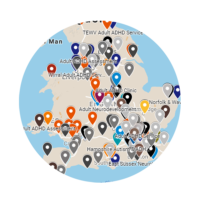
Online ADHD service map aims to stop young people slipping through net
Researchers at the University of Exeter have released a map put together from the results of a national survey. The new map aims to help identify existing services and gaps in provision for young adults with Attention Hyperactivity Deficit Disorder (ADHD).
Read more