You searched for: sleep
Search results
-
 Recommended
Sleep
Children and adolescents who are experiencing difficulties with their mental health also often struggle with their sleep. Indeed disrupted or altered sleep has been associated with most psychiatric disorders (Gregory & Sadeh, 2016). Although a range of sleep difficulties can co-occur with mental health problems, a common difficulty is insomnia. As such this guidance will primarily focus on difficulties with getting to sleep and staying asleep.
Read more -
Sleep Edition
This edition of The Bridge concentrates on sleep, a poignant reminder that I am editing this on a 6am train to London having shortened my own sleep cycle and feeling rather sleep deprived on this dark winter morning.
Read more -
Sleep Edition
This edition of The Bridge concentrates on sleep, a poignant reminder that I am editing this on a 6am train to London having shortened my own sleep cycle and feeling rather sleep deprived on this dark winter morning.
Read more -
Sleep
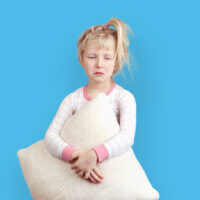
Children and adolescents who are experiencing difficulties with their mental health also often struggle with their sleep. Indeed disrupted or altered sleep has been associated with most psychiatric disorders (Gregory & Sadeh, 2016). Although a range of sleep difficulties can co-occur with mental health problems, a common difficulty is insomnia. As such this guidance will primarily focus on difficulties with getting to sleep and staying asleep.
Read more -

Cognitive Behavioral Therapy for Insomnia in Teens: What New Research Reveals
A 2024 systematic review and meta‑analysis by Galgut and colleagues highlights that cognitive behavioural therapy for insomnia (CBT‑I) markedly improves insomnia severity and, to a lesser extent, subjective sleep quality in teenagers. These findings strengthen the evidence for offering CBT‑I—delivered face‑to‑face or digitally—as a first‑line treatment for young people who struggle to sleep.
Read more -

Chronotype and Depression in Adolescence
We know that there is a bidirectional association between sleep duration/quality and depressive symptoms in youth. In adult populations depressive symptoms and circadian rhythms (sleep chronotype) have also been linked. In this paper, we established an association between chronotype and depressive symptoms in middle adolescence, independently of poor sleep and prior mental health difficulties.
Read more -
 25
25
Ask the Expert ‘Improving Children’s Sleep; The role a teacher can play’
Dr. Faith Orchard joins us for the second in the series of sessions exclusively for Teachers. This FREE online event is an exciting new partnership between ACAMH and Coram Life Education (CLE) exclusively for Teachers. It offers insights into the latest evidence-base, together with practical advice to help you help your pupils, and your on children.
-
10
CAMHS around the Campfire – ‘Self‐reported sleep patterns and quality amongst adolescents: cross‐sectional and prospective associations with anxiety and depression’ Faith Orchard et al (2020)
A panel, comprising Dr. Faith Orchard, Professor Colin Espie, and a young person, will discuss the research and its implications. This discussion will be facilitated by Andre Tomlin who will also be posing the questions you post live online.
-
30
FREE webinar ‘OpenHouse on Autism’ – In search of a bedtime routine. What to do when your child won’t sleep.
Join our host Emma Woodhouse, autism specialist with Clinical Partners, sleeping disorder specialist Dr. Charlie Tyack and leading autism clinician Dr. Ann Ozsivadjian to discover practical ways to address challenges around getting your child to bed.
-
Improvements of adolescent psychopathology after insomnia treatment: Results from a randomized controlled trial over one year.
Many adolescents experience sleep problems, which can be caused by hormonal changes during puberty, and social changes with increasing complexity of daily life while growing up.
Read more -
Sleepiness in adolescence is associated with criminal behaviour in adulthood
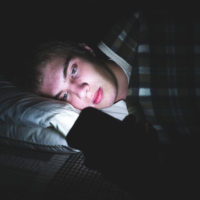
Poor sleep seems to be associated with antisocial and criminal behaviour, but the longitudinal nature of this relationship is unclear.
Read more