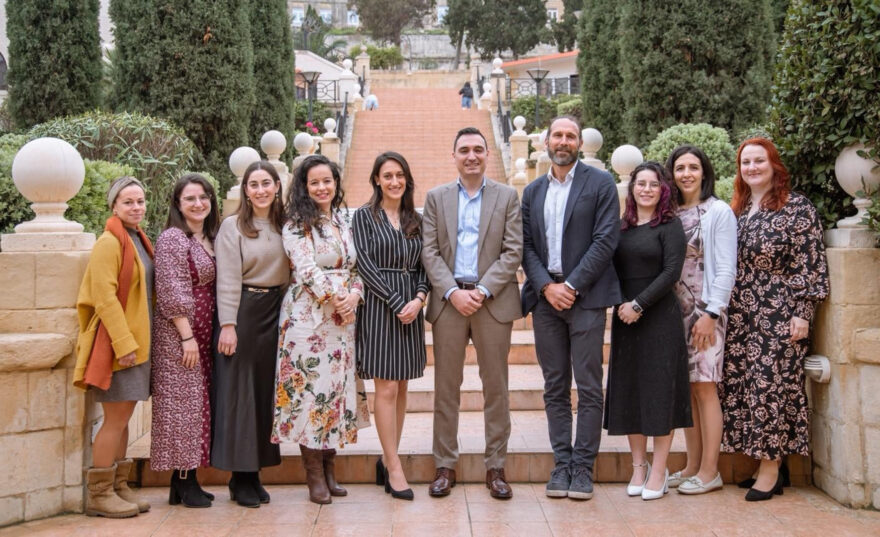
Our motto: Because childhood shapes everything.
ACAMH Malta promotes evidence based understanding and best practice in child and adolescent mental health. Our mission is to advance child and adolescent mental health in Malta through research informed practice, dissemination, and training. Our vision is to be the leading national organisation for interdisciplinary research, knowledge exchange, and professional development in this field.
We are an active professional community of clinicians, researchers, educators, and students committed to improving outcomes for children and young people. Through conferences, lectures, workshops, and specialised training delivered across the Maltese Islands, we translate research into meaningful, evidence based practice and strengthen the local workforce.
Our initiatives include the annual Healthy Body, Healthy Mind event, mental health literacy programmes in schools, and targeted training for professionals, including educating and working with police and prison officers. Together, these efforts support awareness, early intervention, and improved service standards nationwide.
Our work is guided by dedicated subcommittees:
Events Subcommittee
- The Events Subcommittee is one of our most long-standing and active groups, promoting high standards of evidence-based practice in CAMHS in Malta through our AGM, conferences, and expert-led workshops on current and emerging issues. We also support community engagement through initiatives such as the Run for Mental Wellbeing with Pembroke Athleta, promoting mental health awareness and healthy lifestyles.
Media and PR Subcommittee
- The Media and PR Subcommittee is dedicated to increasing the visibility of ACAMH Malta across the island. We promote mental health awareness, encourage open conversations, and reinforce the message that “It’s okay not to be okay.”
- We are developing a national campaign to extend our reach, while also capturing key moments through photos and video reels as ACAMH Malta continues to grow.
Mental Health Literacy Subcommittee
- The Mental Health Literacy Subcommittee is dedicated to strengthening the understanding and awareness of child and adolescent mental health across the Maltese islands. Its aim is to equip educators, professionals, and the wider community with the knowledge and confidence to recognise early signs of difficulty, respond appropriately, and promote positive mental wellbeing.
- We are currently piloting a project in collaboration with a few schools in Malta, delivering mental health literacy training to educators using the Kutcher model. This evidence-based framework enhances knowledge, reduces stigma, and promotes effective help-seeking, supporting schools to create informed, responsive, and mentally healthy environments.
Forensic Subcommittee
- Established in 2025, the Forensic Subcommittee is one of our newest initiatives, providing specialised training for police officers and prison staff working with young people and high-risk offenders.
- Our programmes focus on trauma-informed practice, including the links between trauma and crime, victimisation, re-traumatisation, and vicarious trauma. The aim is to equip professionals with practical skills to improve outcomes for young people, support victims, and strengthen community wellbeing.
Social Policy Subcommittee
- The Social Policy Subcommittee, established last year, advocates for policies that protect and promote child and adolescent mental health at a national level.
- By reviewing legislation, contributing to consultations, and developing evidence-informed position statements, it works to ensure decisions affecting young people are grounded in research and ethical practice. Through cross-sector collaboration, it aims to promote early intervention and equitable access to high-quality mental health support across Malta. Below are a few examples of some of our social policy papers:
Education and Research Subcommittee
- Education is a central pillar of ACAMH Malta. As we grow, we aim to establish an Education and Research Subcommittee to strengthen the link between research, training, and practice.
- Our vision is to create a national platform for Maltese researchers to share findings and collaborate, fostering local evidence in child and adolescent mental health and ensuring practice remains current and responsive to the needs of young people and families in Malta.
Family Subcommittee
- The Family Subcommittee is a newly proposed initiative aimed at strengthening the voice and involvement of parents and caregivers within ACAMH Malta.
- Through psychoeducation, accessible resources, and dialogue between families and professionals, it seeks to promote informed, collaborative, and stigma-free conversations on child and adolescent mental health, ensuring family perspectives remain central to service development and national discussions in Malta.
ACAMH Malta continues to grow, and we welcome expressions of interest from individuals who wish to contribute as subcommittee members.
Social Media
Follow ACAMH Malta on social media to stay updated on our latest events and initiatives: Facebook, Instagram, and LinkedIn