
Children and young people with intellectual disability are more likely to experience co-occurring mental health and neurodevelopmental conditions, yet assessment and treatment planning remain clinically complex.
This advanced two-session course focuses on specialist assessment, formulation, pharmacological management, and the adaptation of psychological interventions across the spectrum of intellectual disability.
Delegates will explore prescribing considerations, diagnostic overshadowing, challenging behaviour, and the practical modification of evidence-based therapies to support meaningful clinical outcomes. Content is grounded in NHS specialist practice, with an emphasis on multidisciplinary collaboration within clinical services.
This advanced two-session course will cover ‘Intellectual Disability and Co-occurring Mental Health Conditions’ and Intellectual ‘Disability and Co-occurring Neurodevelopmental Conditions’.
Booking
Sign up at this link or on the Book Now button at the top of the screen, and complete the form that follows. You’ll then receive an email confirmation and a link to the webinar, plus we’ll send you a calendar reminder nearer the time. Delegates will have exclusive access to recordings for 90 days after the event, together with slides. Plus you will get a personalised CPD/CME certificate via email.
- ACAMH Members MUST login to book onto the webinar in order to access this webinar and get a CPD/CME certificate
- Non-members this is a great time to join ACAMH, take a look at what we have to offer, and make the saving on these session
NB – PRICE IS FOR BOTH SESSIONS: Session 1: 11/06/26 2:00 – 5:00pm UK time, Session 2: 18/06/26 2:00 – 5:00pm UK time
EARLY BIRD £89 (until 06/05/26, then £119) for ACAMH Members (Print, Online, Concession) Join now and save
EARLY BIRD £119 (until 06/05/26, then £149) ACAMH Learn Account holders
EARLY BIRD £119 (until 06/05/26, then £149) Non Members
£10 ACAMH Undergraduate/Postgraduate Members
LIC Members free
Don’t forget as a charity any surplus made is reinvested back as we work to our vision of ‘Sharing best evidence, improving practice’, and our mission to ‘Improve the mental health and wellbeing of young people aged 0-25’.
About the sessions
11 June – Session 1: Intellectual Disability and Co-occurring Mental Health Conditions
Dr. Heather Hanna – The mental health needs of children and young people with intellectual disability: recognition and comprehensive assessment
This talk will give a broad overview of the mental health needs of children and young people with intellectual disability in terms of recognition and comprehensive assessment. The key areas will include prevalence, diagnostic classification, behaviours of concern, biopsychosocial assessment, the use of rating scales and diagnostic formulation to inform treatment planning.
Learning outcomes
- To understand how mental health conditions present in children and young people with intellectual disability
- To understand how to carry out a comprehensive biopsychosocial assessment, considering all aspects of the child’s health and development as well as social and systemic factors
- To understand how to bring this all together in a diagnostic formulation to inform treatment planning
Dr. Osman Malik – Psychiatric management of co-occurring Mental Health Conditions in Children with intellectual Disability.
I will share my clinical experience of psychiatric management of mental health and neurodevelopmental conditions in children with intellectual disability from running a tertiary psychopharmacology clinic for children. I will describe diagnostic challenges, prescribing difficulties and approaches for safe prescribing.
Learning outcomes
- To understand when to prescribe psychotropics and for what type of difficulties
- To understand the concept of minimum effective dosing strategy
- To recognise psychotropic medication induced difficulties and side-effects in children with intellectual disability.
18 June – Session 2: Intellectual Disability and Co-occurring Neurodevelopmental Conditions
Dr. Ashley Liew – An overview of co-occurring neurodevelopmental conditions in children and young people with intellectual disabilities
I present an overview of the epidemiology and an approach to assessment of co-occurring neurodevelopmental conditions and behaviours that challenge in children and young people with intellectual disabilities.
Learning outcomes
- To appreciate the high co-occurrence of neurodevelopmental conditions in children and young people with intellectual disabilities
- To understand adaptations when conducting an assessment of neurodevelopmental conditions in children and young people with intellectual disabilities
- To learn a framework and skills when conducting an assessment of behaviours that challenge presenting in children and young people with intellectual disabilities
Dr. Osman Malik – Intellectual Disability and Co-occurring Neurodevelopmental Conditions (No Q&A, this is a pre-recorded presentation)
I will share my clinical experience of psychiatric management of mental health and neurodevelopmental conditions in children with intellectual disability from running a tertiary psychopharmacology clinic for children. I will describe diagnostic challenges, prescribing difficulties and approaches for safe prescribing.
Learning outcomes
- To understand when to prescribe psychotropics and for what type of difficulties
- To understand the concept of minimum effective dosing strategy
- To recognise psychotropic medication induced difficulties and side-effects in children with intellectual disability.
Programme
11 June – Session 1: Intellectual Disability and Co-occurring Mental Health Conditions
Dr. Mark Lovell will chair both sessions.
2:00pm Dr. Heather Hanna – The mental health needs of children and young people with intellectual disability: recognition and comprehensive assessment + Q&A
2:55pm Dr. Sarah Carman – Presentation + Q&A
3:50pm Break
4:05pm – Dr. Osman Malik – Psychiatric management of co-occurring Mental Health Conditions in Children with intellectual Disability.
5pm Close
18 June – Session 2: Intellectual Disability and Co-occurring Neurodevelopmental Conditions
2:00pm Dr. Ashley Liew – An overview of co-occurring neurodevelopmental conditions in children and young people with intellectual disabilities + Q&A
2:55pm Dr. Sarah Carman – Presentation + Q&A
3:50pm Break
4:05pm Dr. Osman Malik – Intellectual Disability and Co-occurring Neurodevelopmental Conditions (No Q&A, this is a pre-recorded presentation)
5pm Close
About the speakers
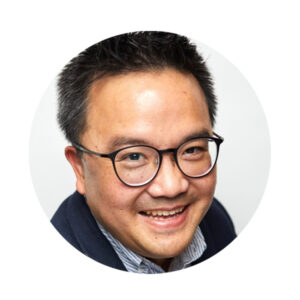
Dr. Ashley Liew is Vice-Chair and Research Lead for CAIDPN. He was previously Consultant in the Birmingham CAMHS-LD team for a decade, and is currently Consultant Paediatric Neuropsychiatrist at the Evelina London Children’s Hospital, as well as National & Specialist CAMHS at South London and Maudsley NHS Foundation Trust. His clinical and academic interests are in the mental health of children and young people with neurodevelopmental conditions (particularly intellectual disabilities) and neurological conditions (particularly epilepsy, encephalitis and brain injury). Ashley has honorary academic appointments at the Universities of Birmingham and Warwick; and sits on 2 Faculty Executive Committees at the Royal College of Psychiatrists.
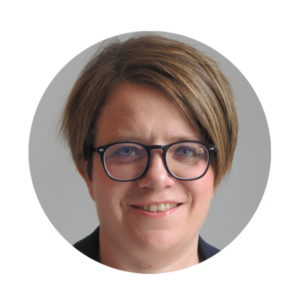
Dr. Heather Hanna has sixteen years experience as a Consultant Child and Adolescent Psychiatrist in Intellectual Disability and is Clinical Lead for Northern Ireland’s first fully integrated CAMHS-ID service. This work was recognised in 2018, when she was awarded the Royal College of Psychiatrists UK ‘Psychiatrist of the Year’. Heather is Chair of the Child and Adolescent Intellectual Disability Psychiatry Network.

Dr. Osman Malik is a Consultant Paediatric Neuropsychiatrist at the department of children’s neurosciences at Evelina London Children Hospital/ St Thomas’ Hospital working across several teams: Newcomen Neurodevelopmental / Neurodisability service, TANDeM (Tourette and Neurodevelopmental movement disorders service, providing acute input to children’s psychological medicine, and some input to the sleep medicine service at Evelina. Alongside a few other consultant he runs a tertiary psychopharmacology clinic for children with neurodevelopmental disorders often with complex mental health and physical health co-morbidities. Dr. Malik is the site PI for NIHR funded UK wide SATURN trial: Stimulant Medication for ADHD and Tics – Understanding Response versus Non-stimulants (SATURN): a randomised trial of the clinical and cost-effectiveness of methylphenidate versus guanfacine for ADHD in children and young people with a co-existing tic disorder. He is also involved in research related to genetics of tic disorder and stereotypies. In the past he has participated in research related to the mental health and psychological needs of adopted children. He has various relevant publication and has co-authored several textbook chapters. Google scholar
Dr. Sarah Carman is a Principal Clinical Psychologist in the Mental Health of Intellectual Disability team within the Service for Complex Autism and Associated Neurodevelopmental Disorders (SCAAND) at the Michael Rutter Centre for Young People. She provides specialist assessment, intervention and consultation for children and young people with intellectual disability or autism, particularly where there are co-occurring mental health, emotional or behavioural difficulties. Sarah has extensive experience in neurodevelopmental assessment and in adapting evidence-based psychological interventions for this population, and is actively involved in training and teaching across CAMHS and postgraduate programmes.
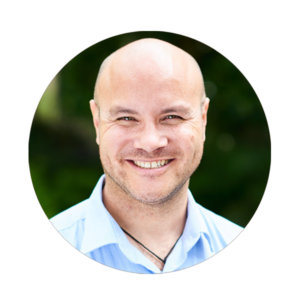
Dr. Mark Lovell is ACAMH’s Deputy Chair and Director of CPD and Training, a dual trained Consultant Child and Adolescent Learning Disability Psychiatrist working for 1 of the UK’s largest LD CAMHS teams. He works for Tees, Esk and Wear Valleys NHS Foundation Trust (TEWV) and covers the South Tees area along with a multidisciplinary team. Mark has previously held positions within the British Medical Association and the Royal College of Psychiatrists. He has had involvement within projects for the Royal College of Psychiatrist and the Royal College of Paediatrics and Child Health. He is a member of the Child and Adolescent Intellectual Disability Psychiatry Network (CAIDPN) and has particular interests in Autism and Challenging Behaviour within the context of Intellectual Disabilities.
Booking
Sign up at this link or on the Book Now button at the top of the screen, and complete the form that follows. You’ll then receive an email confirmation and a link to the webinar, plus we’ll send you a calendar reminder nearer the time. Delegates will have exclusive access to recordings for 90 days after the event, together with slides. Plus you will get a personalised CPD/CME certificate via email.
- ACAMH Members MUST login to book onto the webinar in order to access this webinar and get a CPD/CME certificate
- Non-members this is a great time to join ACAMH, take a look at what we have to offer, and make the saving on these session
NB – PRICE IS FOR BOTH SESSIONS: Session 1: 11/06/26 2:00 – 5:00pm UK time, Session 2: 18/06/26 2:00 – 5:00pm UK time
EARLY BIRD £89 (until 06/05/26, then £119) for ACAMH Members (Print, Online, Concession) Join now and save
EARLY BIRD £119 (until 06/05/26, then £149) ACAMH Learn Account holders
EARLY BIRD £119 (until 06/05/26, then £149) Non Members
£10 ACAMH Undergraduate/Postgraduate Members
LIC Members free
Don’t forget as a charity any surplus made is reinvested back as we work to our vision of ‘Sharing best evidence, improving practice’, and our mission to ‘Improve the mental health and wellbeing of young people aged 0-25’.