Recording and slides are for delegates only
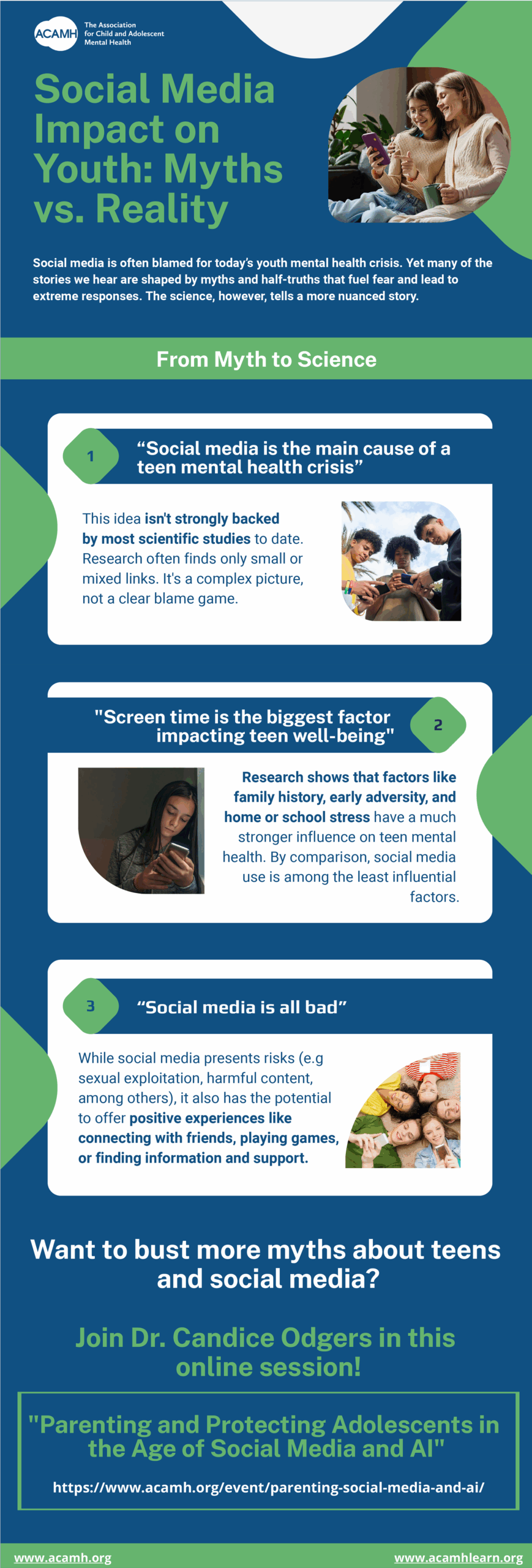
Adolescents spend much of their lives online, prompting widespread concern that screen time, social media, and now artificial intelligence (AI) are harming their mental health. Headlines about online risks are constant, and policymakers around the world are moving quickly to restrict access to digital technologies. Yet research offers a more nuanced view of how the online world shapes adolescents’ developing brains and bodies.
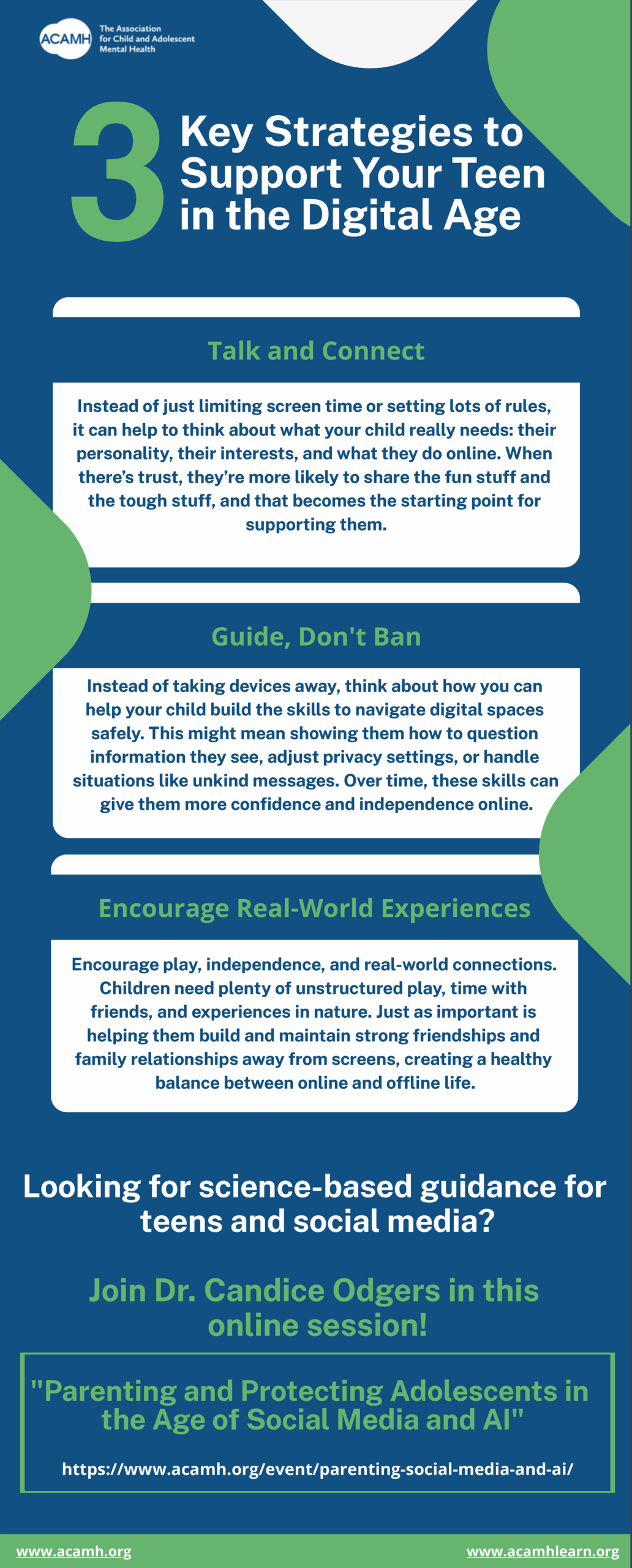
In this talk, award-winning psychologist Professor Candice Odgers will cut through the fears with evidence, addressing adolescent mental health in the digital age and sharing science-backed strategies to help parents, educators, and communities support young people effectively.
Adolescents spend much of their lives online and adults are increasingly worried that screen time, social media, and now artificial intelligence (AI) will harm their mental health. Media reports of online harms and the potential risks to young people are constant and policymakers around the world are moving quickly to ban and restrict access to smartphones and social media. Surprisingly, science tells a less frightening and more nuanced story about how engagement with the online world influences adolescents’ developing brains and bodies. This talk will address current fears with facts about adolescent mental health in the digital age and provide science-backed strategies for those working to support the young people in their families, classrooms, and communities.
Learning objectives
This talk will review what we currently know about the links between digital technology use and adolescent mental health alongside a roadmap for how to best support young people in an increasingly digital, unequal, and uncertain world. Participants will be able to:
1. Understand the current state of the evidence related to adolescent digital technology use and mental health.
2. Weigh the risks and benefits of digital technology use for adolescents given their unique developmental stage and needs.
3. Access science-backed strategies for scaffolding and supporting adolescents online.
4. Understand how proposed policies, bans, and restrictions related to smartphones, social media, and AI may influence adolescents.
About the speaker
Candice Odgers is an award-winning psychologist and leading authority on adolescent mental health in the digital age. Her team captures adolescents’ daily lives on their smartphones and works with parents, youth, and policy-makers to implement science-based solutions. She provides a trusted view of science alongside solutions designed to both keep adolescents safe and support their still developing brains and bodies. She has authored over 100 scientific publications and her work has been covered in outlets such as The Atlantic and the New York Times. She is currently a Chancellor’s Professor and Associate Dean at the University of California, Irvine.
Infographics