Neurodiversity
-

Irritability and Later Depression and Self-Harm in Adolescence
Irritability is common in early childhood and for many children, it reduces over time as they develop better frustration tolerance, language, emotional regulation, and social understanding. However, when irritability remains high across early childhood, it may signal increased vulnerability to later mental health difficulties.
Read more -

Why Depression May Look Different in Young People with ADHD
Depression commonly co-occurs with attention-deficit/hyperactivity disorder (ADHD). When this combination occurs is associated with greater clinical complexity and poorer outcomes. Yet depression in young people with ADHD may not always be straightforward to recognise, some symptoms of depression overlap with ADHD, some may be expressed through irritability, sleep problems, or behavioural difficulties, and young people with ADHD may not always report depressive symptoms in the same way as their parents.
Read more -

Safeguarding & Suicide Risk in CAMHS: Assessing and Managing Risk in Children and Young People
This set of talks explores updated best practice in suicide prevention within CAMHS, highlighting a shift toward personalised, collaborative safety assessment, formulation, and management following new 2025 national guidance. It also examines suicidality in autism, multiagency learning from recent cases, and broader safeguarding approaches including child exploitation and forensic CAMHS perspectives.
- Event type
- Introductory and Update Session
-
 15
15
ADHD and Depression
Includes talks from Professor Sinead Rhodes, Dr. Olga Eyre, and Dr. Ramya Srinivasan.
- Event type
- Expert knowledge session
-

Autism: Camouflaging and Masking (Impression Management) — Evidence and Clinical Implications
Explore the latest evidence on camouflaging and masking in autism (also known as Impression Management), including developmental considerations, clinical debates, and implications for assessment and support. Led by expert Associate Professor Dr. Meng-Chuan Lai.
- Event type
- Advanced session
- Location
- Online
-

Trauma and Autism: How It Affects Children and Young People
Autistic children and young people are more likely to experience adversity and traumatic events than their non-autistic peers. Yet, trauma is often missed in autism. Why? Professor Francisco Musich explains.
Read more -

Meet the Expert on Suicide and Self-harm Prevention – Prof. Pooja Saini
On 16 June 2026, ACAMH will host Brief Interventions That Make a Difference: Practical Approaches for Young People and Families, an international expert conference bringing together leading voices in suicide prevention, crisis care, neurodivergent-inclusive practice, and scalable mental health support. We caught up with one of the speakers – Professor Pooja Saini, Professor at Liverpool John Moores University and a specialist in suicide and self-harm prevention – about her work, her session, and what attendees can expect from the day.
Read more -

Meet the expert: Co-occurring conditions in children with intellectual disabilities, with Dr. Ashley Liew
On 11 and 18 June 2026, ACAMH will host a short course Assessment and Management of Intellectual Disability and Co-occurring Conditions. We caught up with one of the speakers, Dr. Ashley Liew, Consultant Paediatric Neuropsychiatrist at Evelina London Children’s Hospital and South London and Maudsley NHS Foundation Trust, about the topic, the state of the field, and what attendees can expect.
Read more -

Experience-Sensitive Approach to Neurodivergence
Clinical environments are often organised around neurotypical/general population expectations of communication, attention, pacing, and sensory tolerance. For neurodivergent people, including autistic individuals, people with ADHD, these expectations can increase distress, reduce engagement, and shape how behaviour is interpreted by clinicians.
Read more -
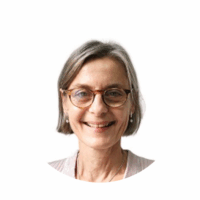
Meet the Expert – ARFID in Autistic Young People, with Dr. Rachel Bryant-Waugh
On 22 June 2026, ACAMH will host ARFID in Autistic Young People: Assessment, Overlap and Practical Clinical Management. We caught up with one of the presenters – Dr. Rachel Bryant-Waugh, an eating disorders clinician and researcher based at the Maudsley Hospital and King’s College London – about the topic itself, her career, and her hopes for the event.
Read more