ACAMH Website Content Types
-

ADHD Training for Professionals: ADHD Treatment, Evidence, and Clinical Practice
Want to improve your approach to ADHD treatment? Explore ADHD training for professionals covering medication, non-pharmacological options and clinical practice.
Read more -

Supporting emotion regulation in adolescents with ADHD/ADHD symptoms: Evidence-informed tips for practitioners
Supporting adolescents with ADHD symptoms to develop their emotional regulation skills can contribute to their wellbeing. Amanda Russell and Aja Murray outline some key skills that evidence suggests could be most helpful.
Read more -

Muscle dysmorphia and eating disorders in boys and young men
Led by Dr. Jason Nagata this evidence-based presentation equips mental health professionals with practical assessment and treatment strategies to better recognize, diagnose, and support an often overlooked and underserved population.
- Event type
- Update session
- Location
- LIVE STREAM
-

How empathy predicts bullying and victimisation
Sadly, bullying in schools is very common. Around one in three children report that they have experienced peer victimisation themselves. Victimised children are at an increased risk of feeling anxious or depressed, potentially missing school and struggling with their classes, and can even experience mental health problems later in life. Bullies on the other hand might be more likely to struggle with behavioural problems and have a propensity for later substance abuse.
Read more -

Supporting and enhancing social communication skills in education context
Through presentations, discussion and practical video-based activities, the session will consider early support and intervention, how adults can respond and adapt to individual children’s communication profiles, and practical approaches that can be applied in educational settings.
- Event type
- Workshop
- Location
- Online
-

Cognitive Disengagement Syndrome (CDS): Understanding, Assessment and Clinical Considerations
Led by Professor Stephen Becker, the session will provide an overview of CDS, consider validated assessment measures and differential diagnosis, and examine the current evidence around treatment and practical considerations for clinicians working with children, young people and families.
- Event type
- Update session
- Location
- Online
-

When Family-Based Treatment Stalls: Can We Adapt Earlier and More Precisely?
Family-Based Treatment (FBT) has the strongest evidence base among psychological treatments for adolescents with anorexia nervosa, yet a substantial proportion of young people do not achieve full recovery. A 2024 trial found that adding Intensive Parental Coaching did not improve outcomes overall for adolescents with limited early weight gain. However, it may help families with low parental self-efficacy, supporting a more targeted approach. Blog by Professor Francisco Mucish.
Read more -
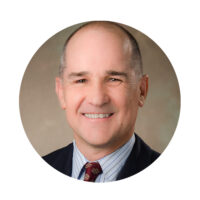
Meet the expert on Family-Based Treatment (FBT)
Discover what made family involvement the right foundation for treating adolescent anorexia nervosa and how Family-Based Treatment (FBT) works. Join Professor Daniel Le Grange at the event on 29 October 2026.
Read more -

Severe Mental Illness: Diagnosis, Pharmacological Management, and Monitoring
Expert Half-Day with Dr. Marinos Kyriakopoulos and Professor Dr. Aditya Sharma, including dedicated presentations on psychosis and bipolar disorder in children and young people, followed by a joint session on treatment monitoring and a final discussion and Q&A.
- Event type
- International Expert Conference
- Location
- LIVE STREAM
-

Understanding and Responding to Self-Harm: Latest Evidence and Clinical Practice. Judy Dunn International Online Conference 2026
Explore the latest evidence on self-harm in children and adolescents. Learn about neurobiology, emotion regulation, assessment, family support, and clinical practice from leading international experts. Don’t miss the EARLY BIRD OFFER save nearly 20%!
- Event type
- Judy Dunn International Conference
- Location
- LIVE STREAM