Aetiology
-

Meet the expert on the Adolescent Brain – Professor Sarah-Jayne Blakemore
Join ACAMH on 8 July 2026 for a workshop on adolescent brain development with Professor Sarah-Jayne Blakemore. Explore neuroscience insights and real-world applications.
Read more -

Trauma in Care Experienced Children: Improving Access to Trauma-Informed Care
Care experienced children and young people are much more likely to experience trauma and trauma-related mental health difficulties than their peers. Yet many do not receive timely support or access to treatments that are backed by evidence. Recent research highlights that the challenge is not simply identifying distress but ensuring that care-experienced children can access effective interventions, particularly trauma-focused cognitive behavioural therapies (TF-CBTs). In this blog, we explore these barriers, as well as what effective trauma-informed care could look like. Blog by Professor Francisco Musich.
Read more -

Meet the expert: Emotion Regulation with Dr. Alessio Bellato
In November, ACAMH will host a two-part short course Assessment Tools and Interventions for Emotion (Dys)Regulation: Practical Approaches. We caught up with the course leader – Dr. Alessio Bellato, Lecturer in Children and Young People’s Mental Health at the University of Southampton – about the topic itself, his career, and his hopes for the event.
Read more -
OCD and BDD in young people: rethinking causes and access
Rethinking childhood OCD causes (genetics over infections), BDD self-harm risks in teens, and internet CBT access solutions for clinicians and families. ‘Reflections from the room’ from our webinar ‘OCD; An update on OCD and related disorders in children and young people’, led by Professor David Mataix-Cols
Read more -

Adolescent school transition: How moving school impacts teenage wellbeing
Discover how primary to secondary school transition can affect adolescent wellbeing, anxiety, belonging, and motivation, and explore ways schools can support students through change.
Read more -

Meet the expert: Intergenerational consequences of racism, with Dr. Yasmin Ahmadzadeh
On 9 June 2026, ACAMH’s Adverse Childhood Experiences (ACEs) Special Interest Group will hold its next meeting, Intergenerational Consequences of Racism. We caught up with the presenter – Dr. Yasmin Ahmadzadeh, a Research Fellow at King’s College London whose work focuses on how mental health runs in families – about her research, and her hopes for the event.
Read more -

Digital Media, Peer Influence, and Teen Mental Health
Drawing on research from Professor Mitch Prinstein, this session will explore how social processes — including peer influence and popularity — interact with digital environments to shape young people’s emotional well-being.
- Event type
- Update session
- Location
- LIVE STREAM
-
 30
30
Trauma: Evidence, Practice, and Implementation Challenges. Jack Tizard International Online Conference
The sessions dive into the practical challenges of identifying and treating trauma in children and young people, with an emphasis on implementation issues, barriers to delivering evidence-based treatments, and work with specific populations. Confirmed speakers; Professor Rachel Hiller, Dr. Jess Richardson, Dr. Connor Kerns, Dr. Stephanie Lewis, and Professor Dr. Elisa Pfeiffer.
- Event type
- Jack Tizard Memorial International Conference
- Location
- LIVE STREAM
-

Have You Seen Me Lately? – Revisiting Our Understanding of Youth Mental Health
We are delighted to announce the release of the 2026 Journal of Child Psychology & Psychiatry (JCPP) Annual Research Review ‘“Have you seen me lately” ‐ Revisiting our understanding of significant mental health disorders for children and adolescents’, edited by Daniel S. Shaw.
Read more -
Meet the Experts: Professor Caroline Bond and Jerricah Holder on Emotionally Based School Avoidance (EBSA)
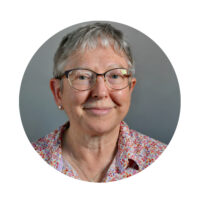
On 20 May 2026, ACAMH will host Emotionally Based School Avoidance (EBSA) in Practice: Evidence, Complexity, and Recovery-Oriented Approaches. We caught up with two of the presenters – Professor Caroline Bond (pic) and Jerricah Holder – to discuss the topic, their careers, and their hopes for the event.
Read more