

This four-hour online training session with Kim Golding CBE will explore how relational trauma and attachment difficulties can shape children and young people’s emotional development, behaviour, and relationships. With a broad, cross-sector focus relevant to professionals working in different settings, the session will consider how safety, connection, and resilience can be fostered in everyday practice with families impacted by trauma. Drawing on clinical experience, case examples, and opportunities for reflection and interaction, the session will offer a thoughtful and accessible space to think about working with families in complex contexts, including considerations of cultural accessibility and marginalised groups.
This training session is aimed at a multidisciplinary audience, including psychologists, psychotherapists, social workers, mental health nurses, and local authority staff.
Booking
Sign up at this link or on the Book Now button at the top of the screen, and complete the form that follows. You’ll then receive an email confirmation and a link to the webinar, plus we’ll send you a calendar reminder nearer the time. Delegates will have exclusive access to recordings for 90 days after the event, together with slides. Plus you will get a personalised CPD/CME certificate via email.
- ACAMH Members MUST login to book onto the webinar in order to access this webinar and get a CPD/CME certificate
- Non-members this is a great time to join ACAMH, take a look at what we have to offer, and make the saving on these sessions
EARLY BIRD £40 (until 30/03/26, then £60) for ACAMH Members (Print, Online, Concession)
EARLY BIRD £50 (until 30/03/26, then £70) ACAMH Learn Account holders, and Non Members
£5 ACAMH Undergraduate/Postgraduate Members
LIC Members free
Don’t forget as a charity any surplus made is reinvested back as we work to our vision of ‘Sharing best evidence, improving practice’, and our mission to ‘Improve the mental health and wellbeing of young people aged 0-25’.
About the session
The DDP model (Dyadic Developmental Psychotherapy, Parenting and Practice) is a multi-layered intervention for care-experienced children, their families and supporting practitioners. Developed by Dan Hughes, DDP is based on theories of Attachment and Intersubjectivity and informed by neuroscience. DDP interventions focus on building intersubjective relationships from within which healing can occur. This allows the child to experience increased attachment security. Children who have experienced relational trauma, attachment disruptions and loss, and multiple moves will struggle to trust in self or others.
Within the webinar, I will reflect on how therapy and parent support guided by the DDP model can help children to move from mistrust to trust, transforming their sense of who they are and the stories they hold about what has happened to them. We are aware that DDP is a Western model based on Western psychological understanding. The webinar will consider the importance of understanding cultural differences and adapting interventions within the context of the culture, identity and experience of the families.
‘Traumatic events strike against our minds and hearts and create a story that is fragmented, with gaps, and is distorted by strong emotions from which the child shrinks and hides. These stories are rigid, with meanings given to the child by the one abusing them. From these jagged stories of shame and terror that arose from relational trauma, DDP is creating stories of connection, strength and resilience.’ (Dan Hughes, 2019) DDP builds safety, connection and resilience for the children, the families and the practitioners supporting them.
Learning outcomes
1. To understand the DDP practice model.
2. To understand the relevance of the model for care-experienced children.
3. To explore how the DDP principles can inform therapy for the child supported by the parent and can provide therapeutic parenting support.
4. To understand the importance of understanding the culture, identity and experience of the families and adapting the interventions for this context.
About the speaker
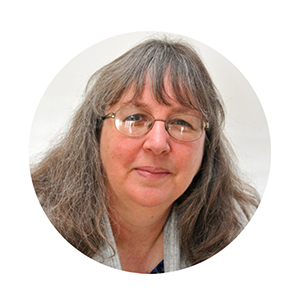
Kim Golding CBE is a clinical psychologist living in the UK. Kim has always been interested in collaborating with parents or carers to develop their parenting skills tailored to the particular needs of the children and young people that they are caring for. She is a consultant and trainer in DDP and provides therapy, training, consultation, and supervision to a range of individuals and teams. Kim is author of books written for parents, educational staff and practitioners supporting children and families with experience of developmental trauma. In 2020, Kim was honoured with a CBE for her work by her majesty the Queen.
Infographic
Download the pdf
Booking
Sign up at this link or on the Book Now button at the top of the screen, and complete the form that follows. You’ll then receive an email confirmation and a link to the webinar, plus we’ll send you a calendar reminder nearer the time. Delegates will have exclusive access to recordings for 90 days after the event, together with slides. Plus you will get a personalised CPD/CME certificate via email.
- ACAMH Members MUST login to book onto the webinar in order to access this webinar and get a CPD/CME certificate
- Non-members this is a great time to join ACAMH, take a look at what we have to offer, and make the saving on these sessions
EARLY BIRD £40 (until 30/03/26, then £60) for ACAMH Members (Print, Online, Concession)
EARLY BIRD £50 (until 30/03/26, then £70) ACAMH Learn Account holders, and Non Members
£5 ACAMH Undergraduate/Postgraduate Members
LIC Members free
Don’t forget as a charity any surplus made is reinvested back as we work to our vision of ‘Sharing best evidence, improving practice’, and our mission to ‘Improve the mental health and wellbeing of young people aged 0-25’.