Autism Spectrum Disorder (ASD) is a complex developmental disorder that affects how people perceive the world and interact with others. People on the autism spectrum may have difficulties with social communication, social interaction and restricted and repetitive patterns of behaviours, activities or interests.
ASD (Autism Spectrum Disorders)
-
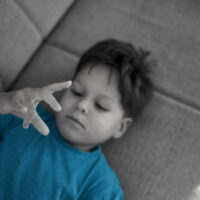
Autism – the transition to adulthood: Understanding and supporting needs of autistic people
This session, led by Professor Will Mandy and Dr. Kate Cooper, will bring together researchers, clinicians and autistic experts by experience to improve understanding of the support needs of autistic people during the transition to adulthood. It will present evidence about the challenges autistic young people face as they navigate increasing independence and changing support systems, with a focus on how to promote wellbeing and thriving at this life stage.
- Event type
- Session
- Location
- Online
-
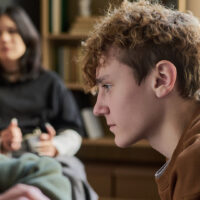
Rethinking Autistic Camouflaging
What is autistic masking, and does it always harm wellbeing? Explore new research on camouflaging, impression management, identity, social pressures, and autistic burnout.
Read more -

Adapting DBT-A Skills Training through a Neuroaffirmative Lens
This online session led by Dr. Jake Camp will explore how neuroaffirmative principles can inform the delivery of Dialectical Behaviour Therapy for Adolescents (DBT-A) skills training.
- Event type
- Workshop
- Location
- Online
-
Early detection and differential diagnosis of neurodevelopmental disorders
This online session led by Florencia Salvarezza will explore early identification and differential diagnosis of neurodevelopmental disorders, using language as a common thread across different presentations.
- Event type
- Session
-

Supporting and enhancing social communication skills in education context
Through presentations, discussion and practical video-based activities, the session will consider early support and intervention, how adults can respond and adapt to individual children’s communication profiles, and practical approaches that can be applied in educational settings.
- Event type
- Workshop
- Location
- Online
-

Nature and Mental Health: Benefits of Nature for Inpatient Care
At Marlborough House, an adolescent unit in Swindon, we have been working with nature to improve young people’s wellbeing. Nature-based approaches are increasingly recognised as valuable within CAMHS, including inpatient settings, and Marlborough House has contributed to this growing evidence. In this blog, Dr Gillian Combe, Dr. Liz Challis, and Dr. Catriona Mellor reflect on their work at Marlborough House and explore the growing role of nature and mental health within inpatient care.
Read more -

Nutritional Risk Beyond Weight in Autistic Children
Some autistic children eat a very narrow diet for years while their weight and growth stay on track. Because the numbers look reassuring, the nutritional risk underneath can go unnoticed. A stable weight measures whether a child has enough energy. It says little about whether the diet holds everything a body needs, and that gap is where serious harm can build unseen.
Read more -

Autism Assessment Across the Lifespan: Diagnosis, Clinical Challenges, and Measuring Change
As awareness grows and more individuals seek assessment later in life, demand is increasing for clinicians to develop expertise in autism diagnosis across the lifespan, including nuanced understanding of gender differences in autism, cultural influences, and late or adult diagnosis pathways. Join us at this advanced masterclass with world-renowned expert Professor Catherine Lord.
- Event type
- Masterclass
- Location
- Online
-

Autism: Camouflaging and Masking (Impression Management) — Evidence and Clinical Implications
Explore the latest evidence on camouflaging and masking in autism (also known as Impression Management), including developmental considerations, clinical debates, and implications for assessment and support. Led by expert Associate Professor Dr. Meng-Chuan Lai.
- Event type
- Advanced session
- Location
- Online
-
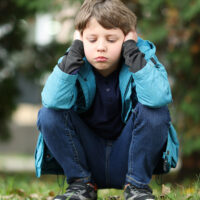
Trauma and Autism: How It Affects Children and Young People
Autistic children and young people are more likely to experience adversity and traumatic events than their non-autistic peers. Yet, trauma is often missed in autism. Why? Professor Francisco Musich explains.
Read more