You searched for: adhd
Search results
-

ACAMH Awards 2024 Results
Congratulations to all winners and nominees of the ACAMH Awards 2024.
Read more -
Celebrating the Future of CAMH: ACAMH Awards 2024 Shortlist
It is our pleasure to announce the shortlist of nominees for the 2024 ACAMH Awards. Congratulations to all the 2024 nominees.
Read more -
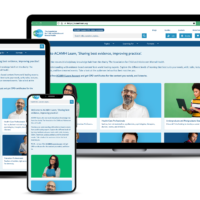
ACAMH Learn – a new, free online CPD resource for those working in child and adolescent mental health
The Association for Child and Adolescent Mental Health (ACAMH) has launched ACAMH Learn acamhlearn.org, a new, free online learning platform offering video and podcast content from more than 200 world-leading mental health experts.
Read more -

Tourette Syndrome: Improve Quality of Life and Reduce Misconceptions
This Tourettes Awareness Day (7 June) we encourage you to explore the FREE learning opportunities available on our website, and to share with your networks. Together we can work towards ‘sharing best evidence, improving practice’ to highlight the impact Tourettes can have on those with the condition and those around them.
Read more -

Breaking Down Barriers and Improving Understanding – Autism Acceptance Week 2024
This World Autism Acceptance Week (2 April to 8 April 2024), we encourage you to explore the FREE learning opportunities available on our website, and to share with your networks.
Together we can work towards ‘sharing best evidence, improving practice’ to help create a society that works for autistic children and young people.
Read more -

Catching some zzz’s – Sleep, Sleep Hygiene, and Wellbeing
This World Sleep Day (15 March) we encourage you to explore the learning opportunities available on our website and learn more about the importance of sleep health in children and young people. Help us to raise awareness of sleep health through sharing with your networks and colleagues.
Read more -

My Voice Matters – The Importance of Lived Experience and Expression to Create Positive Change
Celebrating its 10th year, Children’s Mental Health Week (5 – 11 February 2024) has chosen the theme ‘My Voice Matters’ to encourage the empowerment of children and young people to express themselves and subsequently drive positive change with regards to their mental health and wellbeing and reducing the stigmas associated with this.
In light of this, do explore the learning opportunities available on our website, and do share with your networks and colleagues. We have gathered a range of FREE learning resources from leading academics, clinicians, and researchers to raise awareness of child and adolescent mental health issues.
Read more -
ACAMH Awards 2023 Results
Congratulations to all winners and nominees of the ACAMH Awards 2023.
Read more -
ACAMH Awards 2023 Nominees Shortlist
See who made the nominees shortlist for the 2023 ACAMH Awards.
Read more -
ACAMH Awards 2023 Nominees Long list
See who made the nominees longlist for the 2023 ACAMH Awards.
Read more