You searched for: adhd
Search results
-

JCPP Advances 2023 Special Issue – ‘Evidence-based Synthesis Studies for Child and Adolescent Mental Health Conditions’
September sees the release of the JCPP Advances 2023 Special Issue on ‘Evidence-based Synthesis Studies for Child and Adolescent Mental Health Conditions’, edited by Professor Henrik Larsson, Dr. Marco Solmi, Professor Guilherme Polanczyk, Professor Seena Fazel, Dr. Cinzia Del Giovane and Dr. Ioana Cristea.
Read more -

Championing research about, by and for neurodivergent people
How neurodiversity-inspired thinking is casting a new light on brain development research, with neurodivergent young people at its core.
Read more -

Helping parents manage challenging behaviour during the COVID19 lockdown – Some pointers for practitioners
Posted by Edmund Sonuga-Barke on behalf of the Pointers on Parenting Under Pressure (POP-UP) team; Edmund Sonuga-Barke PhD, Johnny Downs MD PhD (King’s College London), Margaret Thompson MD FRCPsy, Jana Kreppner PhD, Hanna Kovshoff, PhD, Sam Cortese MD PhD FRCPsy, Cathy Laver-Bradury MSc RSCN, Catherine Thompson MSc (University of Southampton), David Daley PhD (University of Nottingham).
Read more -
Welcoming our new JCPP editors
We are excited to welcome five new members to the Journal of Child Psychology and Psychiatry (JCPP) editorial board. With their wide-ranging expertise and many years of cultivated academic prowess, they are an immensely valuable addition to the team.
Read more -

A wealth of experience benefiting ACAMH
“If you’re going to care for people you have to care for the people who are caring.”
Read more -
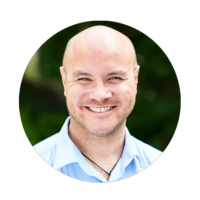
A happy accident
Arriving early to an ACAMH Conference set Dr Mark Lovell off on an ever expanding journey with the Association.
Read more -

An Interview with ‘Mr ACAMH’ – Professor Eric Taylor
Professor Eric Taylor has been at the heart of ACAMH for over 50 years. We caught up with the past Chair of ACAMH, and editor of JCPP to discuss his career.
Read more -
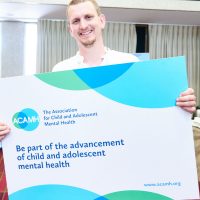
Q&A with Dr Max Davie, Consultant Paediatrician
Interview with Dr Max Davie, Consultant Paediatrician, Guy’s and St Thomas’ NHS Foundation Trust & ACAMH Board Member.
Read more -
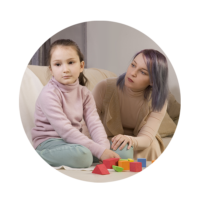
Mood Disorders and ASD: What not to miss
The autism community identified mental health as their top research priority in 2016.¹ Autistic children and adolescents are more likely than their general population counterparts to have psychiatric disorders.² For bipolar disorder, rates of 7% are seen in autistic children and adolescents versus 1% in their general population peers.
Read more -

Professor Kapil Sayal appointed as prestigious NIHR Senior Investigator
Congratulations to CAMH Editor, Professor Kapil Sayal who has been appointed as a new NIHR Senior Investigator.
Read more