You searched for: autism+series+guide/feed/www.clinical-partners.co.uk
Search results
-

How well children read is largely down to their genes
Children who are avid readers are typically good readers, and children who seldom read a book voluntarily often have dyslexia. Is their reading ability the consequence of how much they practised?
Read more -

Sleep partially mediates the link between adverse childhood experiences and delinquency
A recent study has now investigated the mechanisms underlying the apparent link between ACEs and high rates of delinquency in children in foster care, with a specific focus on sleep.
Read more -

Sleepiness in adolescence is associated with criminal behaviour in adulthood
Poor sleep seems to be associated with antisocial and criminal behaviour, but the longitudinal nature of this relationship is unclear.
Read more -
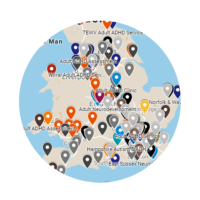
Online ADHD service map aims to stop young people slipping through net
Researchers at the University of Exeter have released a map put together from the results of a national survey. The new map aims to help identify existing services and gaps in provision for young adults with Attention Hyperactivity Deficit Disorder (ADHD).
Read more -

In Conversation… Philosophy of Mind
André Tomlin, The Mental Elf, interviews the Project PERFECT team at the University of Birmingham to find out how unusual beliefs offer philosophers of mind the opportunity to challenge mental health stigma.
Read more -

The Importance of Representing Dissociative Identity Disorder in Fiction and Media for Children
Dissociative Identity Disorder (DID) is a condition that most of us have heard about, but when we break it down, many of us don’t quite understand what it truly is and how it can affect individuals.
Read more -

In Conversation… Anxiety
We spoke to Professor Cathy Creswell about some of the barriers to support for children with anxiety, the Anxiety and Depression in Young people research clinic, and her role as the lead for the Emerging Minds: Action for Child Mental Health research network.
Read more -

In Conversation… Self-Harm
A specialist in self-harm and suicide, Dr Dennis Ougrin emphasises the importance of early intervention and prevention, as well as the potential of Therapeutic Assesssment, a novel model of assessment for young people with self-harm ahead of his upcoming Self Harm Masterclass.
Read more -

FRIENDS programme reduced anxiety, but has no effect on school academic performance
Professor Paul Stallard and colleagues have analysed data from the randomised controlled trial “Preventing Anxiety in Children through Education in Schools” that involved >1,300 children aged 9-10 years from 40 primary schools across England.
Read more -

MEG confirms hyper-vigilance followed by threat avoidance in children with anxiety disorder
A key etiological factor of anxiety disorders is an altered pattern of threat processing, but its neurobiological basis is relatively unclear.
Read more