ACAMH’s blogs bring together timely, evidence-based insights on child and adolescent mental health, written by leading researchers, clinicians, and those with lived experience. They are designed to translate cutting-edge research into accessible, practical guidance that supports better outcomes for children, young people, and families.
Blog
-

Identifying Mental Health Difficulties in Children Living in Care: Is the Strengths and Difficulties Questionnaire enough?
This blog, by Dr. Eva Sprecher, shares new findings that suggest current UK practice may not be sufficient for identifying children in care struggling with their mental health – and we suggest what might help improve things.
Read more -

Meet the expert: Practical Updates in ADHD, with Professor Samuele Cortese
We caught up with the presenter – Professor Samuele Cortese, Professor of Child and Adolescent Psychiatry at the University of Southampton and one of the world’s most influential researchers in ADHD – about the topic itself, his career, and his hopes for the event.
Read more -

Understanding the nature and nurture of callous-unemotional traits: The role of anxiety
New research using the twin design reveals that anxiety levels in children with callous-unemotional (CU) traits can tell us something important about the origins of these traits.
Read more -

Obituary for Robert Goodman
Robert Goodman, who died from complex dementia on 18 December 2025 aged 72, was one of the world’s leading child and adolescent psychiatrists. He carried out work that has transformed child mental health across the globe, developing a simple questionnaire on child mental health and well-being, called the Strength and Difficulties Questionnaire, commonly known as the SDQ.
Read more -

Meet the expert: Therapeutic Powers of Play, with Laura Hanks
On 17 March 2026, ACAMH will host a webinar Unlocking Therapeutic Powers of Play: Practical Techniques for Safe and Effective Play Therapy. We caught up with the presenter – Laura Hanks, a Senior Lecturer at the University of South Wales and BAPT Accredited Play Therapist with experience across public and private sectors – about the topic itself, her career, and her hopes for the event.
Read more -

Attention-Deficit/Hyperactivity Disorder in Children and Adolescents: Current Evidence and Clinical Practice
Research over the past decade have refined our understanding of ADHD epidemiology, neurobiology, diagnosis, and treatment, with growing emphasis on evidence-based assessment, multimodal intervention, and shared decision-making with young people and families.
Read more -

Meet the expert: Dialectical Behaviour Therapy for Adolescents (DBT-A), with Dr. Jake Camp
We caught up with Dr. Jake Camp, who is a senior clinical psychologist in the South London and Maudsley NHS Foundation Trust, and a clinical academic fellow in King’s College London’s Institute of Psychiatry, Psychology & Neuroscience, to discuss Dialectical Behaviour Therapy for Adolescents, and his career.
Read more -

AI use within early research careers: help or hindrance?
The use of Artificial Intelligence (AI) across various disciplines has increased significantly over the past few years, and research is no different. As AI continues to become embedded within many platforms used in academia, it represents a significant consideration for the next generation of researchers.
Read more -

Dialectical Behaviour Therapy for Adolescents: Evidence, Applications, and Emerging Considerations
Dialectical Behaviour Therapy for Adolescents (DBT-A) is a developmentally adapted, evidence-based intervention for young people experiencing emotion dysregulation, self-harm, and suicidal ideation. In recent years, a growing body of evidence such as randomised trials and meta-analyses have suggested DBT-A’s effectiveness across outpatient, inpatient, and community settings (Mehlum et al., 2014; McCauley et al., 2018; Kothgassner et al., 2021; Syversen et al., 2024).
Read more -
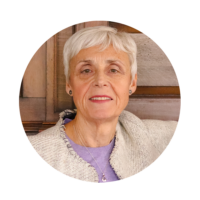
Professor Maggie Snowling on rethinking reading disorders
We caught up with Prof. Maggie Snowling, Emeritus Professor of Psychology at the University of Oxford and Research Fellow at St John’s College, to discuss her career, and more.
Read more