You searched for: self harm
Search results
-
Headlines about children’s mental health can make dispiriting reading for school leaders
The Charlie Waller Memorial Trust was set up in 1997 in memory of Charlie Waller, a young man who took his own life whilst suffering from depression.
Read more
Disclaimer: This is an independent blog and ACAMH may not necessarily hold the same views. -
Fighting for attention
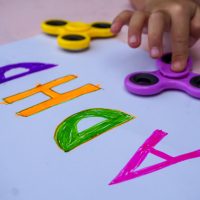
To present a more complete picture of a highly heritable disorder, The Bridge has spoken to two parents of children with ADHD about the challenges and concerns that it can present.
Read more -

Implementing iThrive? Pick priorities and prepare, says commissioner
iThrive is a care framework that aims to replace the four tiered system of CAMHS provision, by grouping children and young people based on their needs. Initially launched at 10 sites across the UK in October 2015, by April 2017 it had expanded to 44 CCGs. iThrive state that, 30% of young people in England […]
Read more -
The hardest thing to do is say goodbye
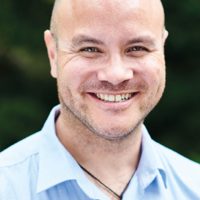
“It was an accident,” says Dr Mark Lovell. But what is he referring to?
Read more -

Joining up services, is the way forward
Being a paediatrician is an absolute privilege and a core part of my identity.
Read more
Disclaimer: This is an independent blog and ACAMH may not necessarily hold the same views. -
Q&A with Dr Max Davie, Consultant Paediatrician
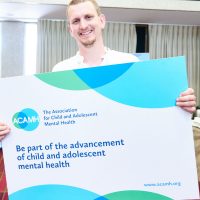
Interview with Dr Max Davie, Consultant Paediatrician, Guy’s and St Thomas’ NHS Foundation Trust & ACAMH Board Member.
Read more -
Mental health in schools
“Sometimes you feel like a volcano erupting,” one eight-year-old boy told us, “but if you come to Place2Be, you can cool down.”
Read more -
The moral environment we create
Blog by ACAMH Malta. The moral health of our society matters to the mental health of our children. A society rooted in integrity, respect and accountability gives young people something invaluable: The confidence that the world around them can be trusted. A healthier society today helps lay the foundations for a healthier generation tomorrow.
Read more -

Special Educational Needs and Young People Involved in Violence
Children and young people with special educational needs (SENs) are more likely to commit violent offences compared to those without SENs. Our research team used existing data from school and police records from over 1.5 million children and young people to unpack this relationship. The aim of our project was to identify what works to reduce violent offending and re-offending in children and young people with SENs.
Read more -
CAMH 2025 Special Issue – ‘Physical Environmental Influences on the Psychosocial Outcomes of Children, Adolescents, and Young Adults’
The Child and Adolescent Mental Health (CAMH) Journal are delighted to announce the CAMH 2025 Special Issue on ‘Physical Environmental Influences on the Psychosocial Outcomes of Children, Adolescents, and Young Adults’, edited by Keri Ka-Yee Wong, Efstathios Papachristou, Marta Francesconi, and Tycho J. Dekkers.
Read more