

Self-harm in children and young people remains a major clinical challenge, raising important questions about how we understand risk, respond effectively, and support young people and their families. Bringing together leading international experts, this conference will explore current evidence and key developments in the field, from emerging insights into the neurobiology of self-harm to the role of emotion regulation, assessment and engagement in care.
The programme will also consider the needs of young people with learning disabilities and other neurodevelopmental differences, as well as the important role families can play following a self-harm crisis. Across the day, speakers will connect research with clinical practice, offering different perspectives on how we can better understand and respond to self-harm in children and adolescents.
This conference will explore the factors that contribute to self-harm in children and young people, including the role of neurobiology, emotion dysregulation, and the psychological and social mechanisms underlying self-harming behaviours. Participants will gain insights into recent trends in self-harm, the challenges of engaging young people in therapeutic conversations, and the specific needs of children and young people with learning disabilities who engage in self-injury. The conference will examine approaches to assessment and intervention, including therapeutic assessment, safety planning for young people, crisis intervention, and DBT-informed approaches to reducing suicide and self-harm risk. Attendees will also explore how emotion regulation, family involvement, and a better understanding of the mechanisms underlying self-harm can inform clinical practice and support more targeted and effective interventions for young people.
Register for the event & pricing
Sign up at this link or on the Book Now buttons, and complete the form that follows. You’ll then receive an email confirmation and a link to the webinar, plus we’ll send you a calendar reminder nearer the time.
Delegates will have exclusive access to recordings for 90 days after the event, together with slides. Plus you will get a personalised CPD/CME certificate via email. Recordings from the session will be available to delegates from 5 working days after the event.
- ACAMH Members MUST login to book onto the webinar in order to access this webinar and get a CPD/CME certificate.
- Non-members: this is a great time to join ACAMH, take a look at what we have to offer, and make the saving on these sessions.
| Ticket Type | Price |
|---|---|
| ACAMH paying Members (Online, Concession) | EARLY BIRD £119 (until 27/10/26 then £159)(Join now and save) |
| ACAMH Learn Account Holders | EARLY BIRD £169 (until 27/10/26 then £209) |
| Non Members | EARLY BIRD £169 (until 27/10/26 then £209) |
| ACAMH Undergraduate/ Postgraduate Members | £15 |
| LMIC Members | Free |
Who should attend
This conference is relevant for professionals working with children and young people who may be at risk of, or have experienced, self-harm, including: Child and Adolescent Psychiatrists, Clinical, Counselling and Educational Psychologists, CAMHS Practitioners and Mental Health Clinicians, Paediatricians and Community Children’s Health Professionals, Mental Health Nurses, Psychotherapists and Psychological Therapists, Social Workers and Family Support Practitioners, School Mental Health Leads, Counsellors and Educational Professionals, Researchers and Academics in Child and Adolescent Mental Health, Professionals working with young people with learning disabilities and neurodevelopmental conditions, Students and Trainees in relevant health, mental health and education disciplines, Service Managers, Commissioners and Policy Professionals with responsibility for children’s mental health services.
Programme
| 10:30 | Chair Professor Dennis Ougrin Welcome and Introduction |
| 10:40 | Professor Nav Kapur Self-harm in young people – where are we now and where do we need to go?’ |
| 11:10 | Q&A Session |
| 11:20 | Professor Paul Plener ‘How neurobiology can inform our clinical understanding of self-harm’ |
| 11:50 | Q&A Session |
| 12:00 | Refreshment & Reflection break |
| 12:15 | Professor Rose McCabe ‘Engaging Young People in Therapeutic Conversations About Self-Harm’ |
| 12:45 | Q&A Session |
| 12:55 | Lunch |
| 14:05 | Reconnect & resume |
| 14:10 | Professor Caroline Richards ‘Self-injury in children and young people with a learning disability’ |
| 14:40 | Q&A Session |
| 14:50 | Associate Professor Johan Bjureberg ‘Emotion regulation and non-suicidal self-injury in adolescents’ |
| 15:20 | Q&A Session |
| 15:30 | Refreshment & Reflection break |
| 15:45 | Professor Joan Asarnow ‘Engaging families in safety planning after a self-harm crisis’ |
| 16:15 | Q&A Session |
| 16:25 | Closing Remarks |
| 16:30 | Close |
* Programme is subject to change
Professor Nav Kapur ‘Self-harm in young people – where are we now and where do we need to go?’
This talk will provide a general context for self-harm in young people, including recent trends, causes, and potential interventions. Guidelines and policy will also be discussed as well as future priorities.
Learning outcomes
- To gain an awareness of recent global trends in self-harm
- To understand the causes of self-harm
- To understand the role of interventions for self-harm
- To reflect on current priorities with respect to self-harm in young people
Professor Paul Plener ‘How neurobiology can inform our clinical understanding of self-harm’
Self-harm remains a clinically challenging condition, often encountered in child and adolescent mental health care. This presentation examines how advances in our neurobiological understanding can deepen clinical formulations of self-harming behavior and inform more targeted intervention. Research has identified alterations in several mechanisms underlying affect regulation circuitry, pain processing, stress reactivity, and reward systems. Evidence implicates dysregulation in prefrontal-limbic circuits, altered endogenous opioid signaling, and blunted cortisol responses responses in individuals who engage in self-harm, suggesting that these behaviors may serve functions such as affect regulation, dissociation interruption, or restoration of a sense of control. A neurobiologically informed understanding of these mechanisms enable therapists to provide relevant information in psychoeducation and psychotherapy.
This talk synthesizes findings across neuroscience and mental health work to propose an integrative understanding that neither reduces self-harm to a purely biological phenomenon nor treats it in isolation from lived experience and relational context. Attention is given to how this framework can shape clinical assessment, inform psychoeducation for patients and families, and guide the development of interventions that target underlying regulatory mechanisms rather than symptoms alone.
By grounding clinical understanding in neurobiological mechanism while remaining attentive to psychological and social dimensions, this presentation aims to support clinicians, researchers, and trainees in developing compassionate, mechanism-informed approaches to assessment and care.
Learning outcomes
- Describe the key neurobiological systems implicated in self-harm behavior and explain their proposed functional role in affect regulation.
- Apply neurobiological insights to clinical practice by incorporating mechanism-informed language into patient/family psychoeducation and considering regulatory targets when developing or adapting treatment approaches.
- Integrate neurobiological understanding with psychological and relational/contextual factors to develop a more comprehensive case conceptualization.
Professor Rose McCabe ‘Engaging Young People in Therapeutic Conversations About Self-Harm’
The Supporting Adolescents with Self-Harm (SASH) intervention, co-developed with young people and clinicians, provides rapid follow-up after emergency department attendance for self-harm. It includes Therapeutic Assessment of Self-harm, an enhanced Safety Plan, and Solution-Focused Brief Therapy, with optional involvement of carers. SASH is being evaluated in a randomised controlled trial involving 154 young people and 101 carers across 9 emergency departments in London.
TA was developed by Ougrin et al. specifically for YP presenting with self-harm in
crisis. It is a novel approach to working with YP (and families), derived from solution focused and systemic traditions. It involves joint production of a diagram of the self-harm cycle, with three elements: identification of core pain, maladaptive behaviours, and means to break the cycle. YP are asked to identify a previous episode of self-harm. Diagrams are constructed using the YP’s language and aim to identify and understand the YP’s difficulties, engage the YP, instil hope, and provide a foundation for therapeutic change.
This presentation will illustrate how question design impacts on disclosure of self-harm and present examples of therapeutic assessment of self-harm from case study materials and audio recordings of clinical sessions.
Learning outcomes
- To learn how questions impact on disclosure of self-harm
- To understand therapeutic assessment and validation of self-harm
- To consider adaptations for neurodivergent adolescents and younger adolescents
Professor Caroline Richards ‘Self-injury in children and young people with a learning disability’
Self-injury is common in children with learning disability and has negative consequences for individuals and their families. In this talk, Professor Richards will discuss the prominent associative learning account of self-injury. She will present data from large cross sectional and longitudinal survey studies alongside experimental studies to demonstrate the limitations of the current operant model and identify priority areas for assessment and intervention. An alternative risk-informed model of self-injury will be proposed, highlighting cognitive and affective mechanisms that underpin behaviour, extending the associative learning account to guide early intervention for children with a learning disability.
Learning outcomes
- To understand and apply the operant model to self-injurious behaviour
- To increase knowledge of clinical correlates of self-injury (pain, executive function, sleep) and how to assess these in children with intellectual disability
- To understand the need for early intervention in self-injury
Associate Professor Johan Bjureberg ‘Emotion regulation and non-suicidal self-injury in adolescents’
Self-harm is often conceptualized as maladaptive attempts to regulate overwhelming emotional states. Despite broad consensus that emotion regulation plays a central role in the onset and maintenance of self-harm, its precise function as a mechanism of therapeutic change remains insufficiently specified. In this presentation, Prof. Bjureberg introduce an integrative and dynamic framework of emotion regulation and apply it to understanding mechanisms of change in interventions targeting mental health and self-harm. Clinical and methodological implications for mechanism-focused intervention development and precision treatment approaches will be discussed.
Learning outcomes
- Understand different conceptualizations of emotion regulation
- Understand how emotion regulation is relevant in the development, maintainance, and treatment of self-harm.
- Recognize clinical and methodological implications for mechanism-focused intervention development
Professor Joan Asarnow ‘Engaging families in safety planning after a self-harm crisis’
This presentation will focus on acute care for youths presenting with suicidal and self-harm behaviors. The focus will be on developmentally-informed approaches to safety planning, approaches to working with the family and other supportive individuals in the youth’s environment, and enhancing protection in the youth’s environment. Dr. Asarnow will describe her work the SAFETY-Acute approach to safety planning, a more extended DBT-informed approach to treatment, and a stratified stepped care approach for offering DBT informed care to a broader population of young people screening positive for suicide/self-harm risk within a health system.
Learning outcomes
- To understand treatment approaches for youths presenting with suicide/self-harm risk.
- To understand developmentally informed approaches to safety planning for youths.
- To recognise the needs of individuals, families, and health systems struggling with suicide/self-harm risk.
FAQs on the topic
1. Why do teenagers and young people self-harm?
Self-harm is typically linked to multiple interacting factors rather than a single cause, spanning psychological, social and biological influences. Difficulties regulating intense emotions, trauma, bullying, family adversity and social isolation can all contribute, and neurobiological research is clarifying how brain development and stress responses play a part. For many young people, it is a way of coping with overwhelming distress rather than a wish to die.
2. Does self-harm mean a young person is suicidal?
Not necessarily. Many young people who self-harm are not trying to end their life, and self-harm and suicidal behaviour are distinct. However, self-harm is one of the strongest known predictors of future suicide attempts, so every episode should be taken seriously and explored compassionately, without assumptions about intent, to understand what the behaviour means for that young person.
3. What is the most effective treatment for self-harm in adolescents?
Psychological interventions are the cornerstone of treatment. Among adolescents with repeated self-harm, DBT currently has the strongest evidence base, particularly for building emotion regulation and reducing self-harm. Cognitive behavioural and mentalization-based approaches may also help some young people, though evidence is less consistent. Successful interventions commonly combine emotion regulation and problem-solving skills, family involvement, safety planning, and support to stay engaged with services.
4. Why is self-injury more common in children and young people with a learning disability?
Self-injury is more common in children and young people with a learning disability, yet often under-recognised. It may present differently, for example through self-hitting or skin-picking rather than cutting, and can be harder to identify because standard assessment tools rarely account for differences in communication and development. Adapting assessment and support to each young person’s communication, sensory and developmental needs is essential.
5. How can parents help a teenager who is self-harming?
Families are among the strongest protective factors after a self-harm crisis. Responding calmly and without judgement, keeping communication open, and noticing changes in mood or behaviour all help. Evidence supports involving parents and carers in collaborative safety planning, including reducing access to means and supporting coping strategies, while respecting the young person’s confidentiality and encouraging engagement with treatment.
Meet the speakers
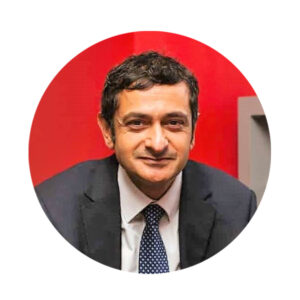
Professor Nav Kapur – Nav is Professor of Psychiatry and Population Health at the University of Manchester, UK and an Honorary Consultant Psychiatrist at Mersey Care NHS Foundation Trust. He is also Director of the UK’s National Confidential Inquiry into Suicide and Safety in Mental Health Services. He has spent the last 30 years researching suicide and self-harm, particularly their causes, treatment and prevention. He has led guidelines for the National Institute for Health and Care Excellence (NICE) on providing care for people after self-harm, managing depression, and preventing suicide. He sits on the main advisory group on suicide prevention for the Department of Health in England and leads national quality improvement work to prevent suicide. He is the lead author of Suicide Prevention (3rd Edition, Oxford University Press) and has published over 400 research papers. Nav is the recipient of both the American Association of Suicidology Louis I. Dublin Award for lifetime achievement in suicide prevention and the International Association of Suicide Prevention Stengel Award for outstanding research. In 2025 he was awarded Honorary Fellowship of the Royal College of General Practitioners, the College’s highest honour, for outstanding contributions to general practice.

Professor Dr. Paul Plener is chair of Child and Adolescent Psychiatry at the Medical University of Vienna, as well as the head of the Dept. of Child and Adolescent Psychiatry Vienna General hospital. He is the president of the Austrian society of Child and Adolesent Psychiatry and a member of the Austrian Supreme Medical Council. He is an invited fellow of the International Society for the Study of Self-injury. Prof. Plener´s reserach focus is on Nonsuicidal Self-injury, suicidality and trauma-related disorders.

Professor Rose McCabe is a psychologist and Professor of Clinical Communication. Her work focuses on communication, assessment, treatment and service response surrounding self-harm, particularly in emergency-care settings and among young people. She specialises in conversation analysis/micro-analysis of real clinician–patient interactions combined with intervention development and clinical trials.

Professor Caroline Richards is Professor of Neurodevelopmental Conditions at the School of Psychology, University of Birmingham. She also co-leads the Cerebra Network. The aim of Professor Richards’ research is to reduce negative clinical outcomes for individuals with intellectual disability. Her work with children with autism and children with rare genetic syndromes has thus far focused on reducing self-injury, improving sleep disorders and understanding the impact of premature birth. Her research uses experimental, epidemiological, single case and meta-analytic techniques to delineate risk markers, improve precision in models of mechanism and develop novel, proactive interventions.

Associate Professor Johan Bjureberg is an Associate Professor at the Karolinska Institutet, Sweden. His research focuses on understanding and preventing youth mental health problems, with particular emphasis on emotion regulation, self-injury, and suicide.
Prof. Bjureberg has contributed theoretical advances in emotion regulation and has developed and evaluated mechanism-driven interventions that actively involve families and caregivers. These treatments are delivered across formats, including in-person and digital platforms, and target both acute risk and longer-term vulnerability. His work emphasizes precision in intervention timing and intensity, with the aim of advancing scalable, personalized, and developmentally informed treatments for youth at risk.
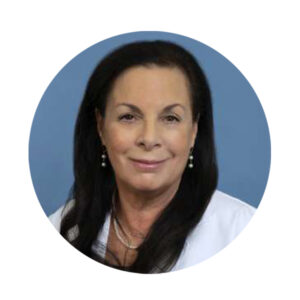
Professor Joan Asarnow is a Distinguished Professor of Psychiatry & Biobehavioral Sciences at the University of California Los Angeles and a board-certified clinical psychologist. Her work has emphasized developing treatments and service strategies for youths and families. Dr. Asarnow has extensive experience conducting research, delivering care, and leading trainings and educational programs aimed at improving treatment for depression, suicide, and self-harm prevention/reduction in youth. She has worked across diverse settings to bring evidence-informed care to the broad range of youths receiving care in mental health, emergency departments, general pediatric and medical clinics, schools, foster care, and juvenile justice settings.
Infographic
Download a pdf of this infographic